
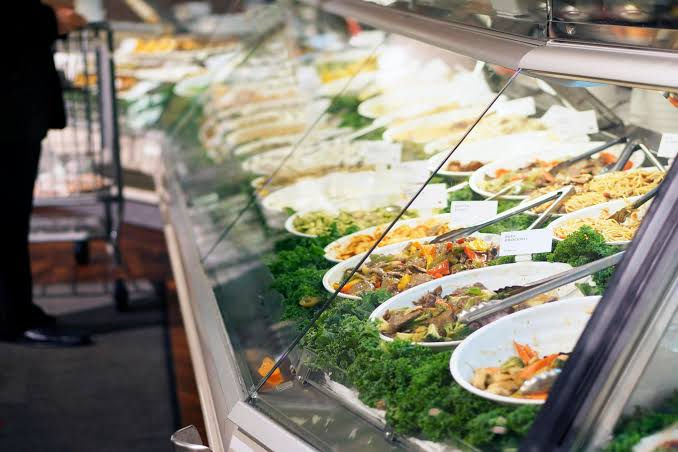
There was a time when the prepared foods section of a grocery store was an afterthought.
A few rotisserie chickens under a heat lamp, a tray of macaroni salad that had been sitting since morning, and a deli counter that closed at four. It was convenient in theory and underwhelming in practice.
That version of the supermarket prepared foods section has largely been replaced by something more serious. At the better supermarkets in Fort Lauderdale, FL, the prepared foods department has become a primary draw in its own right. Families stopping in after work, singles looking for a real meal without cooking, and households managing busy weeks all use it regularly, and the stores that do it well have invested accordingly.
This guide covers what to look for in a prepared foods section, which categories matter most in a Fort Lauderdale market, how to evaluate quality before you buy, how prepared meals fit into a broader weekly plan without becoming a crutch, and what they actually cost compared to restaurant takeout for a local household.
Why Prepared Foods Have Become a Primary Draw at Fort Lauderdale Supermarkets
Fort Lauderdale’s demographic and lifestyle profile makes it one of the stronger markets in South Florida for supermarket prepared food.
The city has a large working population with limited cooking time on weekday evenings, a significant retiree community that values convenience without sacrificing food quality, and a culturally diverse population that expects prepared options to reflect more than just standard American comfort food. It also has a year-round warm climate that makes the idea of standing over a hot stove on a Tuesday evening in August genuinely unappealing.
All of those factors have pushed demand for ready to eat meals at the supermarket level higher than in markets with different demographics or climates. Stores that recognized this shift early invested in expanding and improving their prepared sections. The result is that the prepared foods counter at a well-run supermarket in Fort Lauderdale, FL now competes meaningfully with casual restaurant takeout on both quality and price, while offering the added convenience of being in the same store where the rest of the weekly shopping gets done.
The practical effect for shoppers is that the prepared foods section is now worth evaluating carefully when choosing where to shop regularly, not just treating it as a backup option for nights when dinner did not come together.
The Prepared Food Categories Worth Looking for in Fort Lauderdale
Not every prepared foods section covers the same ground. The best ones in Fort Lauderdale tend to include several distinct categories that together reflect both broad convenience needs and the specific tastes of the local community.
Rotisserie Proteins
Rotisserie chicken in Fort Lauderdale, FL is the anchor of most supermarket prepared sections and for good reason. A properly cooked rotisserie bird is one of the best value-to-effort ratios in the entire store. For a family of four, a single rotisserie chicken covers a complete dinner and often provides enough leftover meat for sandwiches, tacos, or a quick soup the following day.
The best prepared sections do not stop at chicken. Rotisserie pork, seasoned whole chickens with regional spice profiles, and roasted turkey are all worth looking for in stores that serve Fort Lauderdale’s diverse population. A store that offers only a single plain rotisserie option is leaving a significant portion of its community underserved.
Freshly Prepared Sides
The quality of the side dish selection is often the clearest signal of how seriously a store takes its prepared foods program.
Strong prepared sections offer sides that feel like they were made that day rather than reheated from a previous cycle. Rice dishes, roasted and steamed vegetables, mashed potatoes, macaroni and cheese, black beans, plantains, and grain salads are all categories worth looking for. Variety matters here because the best use of a rotisserie protein changes significantly depending on what sides are available to pair with it.
In Fort Lauderdale, stores that include traditional Caribbean and Latin sides alongside standard American comfort options are serving their customer base more accurately. Rice and peas, tostones, yuca preparations, and seasoned black beans are not niche items in this market. They are staples that a prepared foods section serving the local community should carry consistently.
Deli Sandwiches and Prepared Salads
The deli counter remains one of the most practical prepared food options for shoppers managing lunches, quick dinners, or weeknight meals that need to come together without any cooking.
A well-stocked deli in Fort Lauderdale, FL goes beyond basic cold cuts and pre-made sandwiches. It offers freshly sliced proteins, a selection of prepared salads made on-site rather than shipped in from a central kitchen, and enough variety to cover different dietary preferences across a household. The difference between a deli that feels alive and one that feels like a formality usually comes down to how frequently the prepared salad selection is rotated and how transparent the store is about when items were made.
Hot Bar Entrees
The hot bar is where a prepared foods section either earns its reputation or reveals its limitations.
A strong hot bar grocery store offers a rotating selection of fully cooked entrees that are held at proper serving temperature and refreshed throughout the day rather than carried from opening to close without rotation. In Fort Lauderdale, the best hot bars reflect the culinary diversity of the community. Jerk chicken, curry preparations, rice dishes with sofrito, braised proteins in Latin-style sauces, and traditional Southern comfort entrees all have genuine demand in this market.
A hot bar that offers only steam-table standards like fried chicken tenders and mashed potatoes is not serving Fort Lauderdale specifically. It is serving a generic version of the American supermarket customer that does not fully reflect who is actually shopping in these stores.
Grab and Go Meals
Grab and go meals in Fort Lauderdale, FL serve a different need than the hot bar or the deli counter. They are designed for the shopper who is in and out quickly and needs a complete meal that is already packaged, labeled, and ready to take home or eat immediately.
The best grab and go sections include a genuine range of options: complete entrees with protein and sides already portioned together, sushi and Asian-inspired packaged meals, wraps and sandwiches made that day, and heat-and-eat containers for items that are better served warm. Freshness dating on packaged grab and go items is important, and stores that label preparation times rather than just sell-by dates give shoppers more useful information for making quality decisions.
Specialty Caribbean and Latin Prepared Dishes
This category deserves its own discussion because it is where a Fort Lauderdale supermarket’s prepared foods section either reflects its community or signals that it was designed for a different one.
Fort Lauderdale has a significant Haitian, Jamaican, Trinidadian, Cuban, Puerto Rican, and broader Caribbean and Latin American population. Prepared foods sections that include oxtail, curry goat, stewed chicken with rice and peas, ropa vieja, pernil, alcapurrias, empanadas, and similar dishes are meeting real demand that is not being served by standard American supermarket prepared food templates.
Stores that carry these items consistently rather than as occasional specials build loyalty with the communities they serve in a way that no amount of marketing can replicate. For shoppers from these communities, finding prepared dishes that reflect their culinary traditions at their regular grocery store is a meaningful quality-of-life convenience. For shoppers from outside those communities, the same section represents an opportunity to eat well and diversely without the effort of cooking unfamiliar dishes from scratch.
How to Evaluate Quality at a Supermarket Prepared Foods Counter
Knowing what categories to look for is useful. Knowing how to evaluate whether a specific store is executing those categories well is more useful.
Rotation Frequency Is the Most Important Quality Signal
The single most telling indicator of prepared foods quality is how frequently items are rotated throughout the day.
A hot bar that looks identical at 5 PM to how it looked at 10 AM has not been refreshed, which means everything on it has been held for hours beyond what produces the best eating quality. A prepared foods section that visibly restocks and refreshes throughout the day is one where the store is actively managing quality rather than just filling the cases and hoping for the best.
Shoppers who visit at different times of day get a more accurate picture of a store’s rotation practices than those who always shop at the same time. A section that looks good at 6 PM on a Tuesday is worth noting. One that looks picked over and tired at that same time tells a different story.
Temperature Presentation Matters for Both Safety and Quality
Proper temperature presentation in a prepared foods section is both a food safety issue and a quality issue.
Hot items should be genuinely hot, held at or above 140 degrees Fahrenheit, not warm or room temperature. Cold prepared salads and grab and go items should feel cold to the touch, not ambient. Rotisserie proteins should be held under heat that keeps the skin crisp and the interior properly warm rather than steaming themselves soft in a closed cabinet.
These standards protect shoppers from food safety risks and also indicate how seriously the store manages its prepared foods operation overall. A section that cannot hold proper temperatures is one that is either under-resourced or under-managed, and both have implications for the quality of everything on display.
Ingredient Transparency Builds Confidence
Shoppers increasingly want to know what is in their prepared food, and stores that provide clear ingredient information at the point of sale build more trust than those that offer little to no transparency.
This does not require a full nutritional label on every hot bar item, but it does mean that major allergens are identified, that preparation methods are described clearly enough for shoppers to make informed decisions, and that staff in the prepared foods section can answer basic questions about what went into a specific dish.
In Fort Lauderdale’s diverse market, ingredient transparency also means being specific about regional preparations. A shopper asking whether the rice dish contains pork products or whether a sauce was made with dairy deserves a clear answer, not a guess.
How Prepared Foods Fit Into a Weekly Meal Plan Without Becoming the Default
Supermarket prepared food is most valuable as a strategic tool within a broader weekly plan rather than as the default answer to the dinner question every night.
The households that use it best tend to identify one or two nights per week where prepared food makes sense contextually, typically the busiest evenings, and plan around scratch cooking for the rest of the week. A rotisserie chicken on Wednesday when both parents are getting home late is a smart use of the prepared foods section. The same rotisserie chicken as the answer to every weeknight dinner adds up quickly in cost and reduces the variety and nutritional control that comes with cooking at home.
The most effective integration looks something like this: rotisserie chicken on a busy Tuesday that doubles as lunch protein the next day, a hot bar side dish or two that rounds out a simple home-cooked protein on Thursday, and a grab and go meal on a Sunday evening when the week has not quite started and motivation to cook is low. That pattern captures the convenience value of prepared food without replacing the cost and quality advantages of cooking most meals at home.
Prepared foods also extend their value when used as ingredients rather than finished meals. Rotisserie chicken pulled and added to a homemade soup or tossed with pasta and olive oil is still a prepared food benefit but with more nutritional and culinary control than eating the same chicken as a standalone plate. This kind of ingredient flexibility makes the cost of the prepared item go further across multiple meals.
The Real Cost Comparison: Supermarket Prepared Food Versus Restaurant Takeout
For a Fort Lauderdale household evaluating whether supermarket prepared food is actually a budget-conscious choice, the comparison that matters most is not against home cooking but against restaurant takeout, which is the realistic alternative for the same busy weeknight circumstances.
A typical restaurant takeout order for a family of four in Fort Lauderdale runs between fifty and eighty dollars when delivery fees, service charges, and tips are included at a mid-range casual restaurant. The same meal constructed at a supermarket prepared foods counter, rotisserie chicken plus two sides plus a packaged salad, runs between eighteen and twenty-eight dollars depending on the store and the specific items selected.
That gap, roughly twenty-five to fifty dollars per prepared meal occasion, represents real savings at scale. A household that uses supermarket prepared food twice a week instead of restaurant takeout twice a week saves between fifty and one hundred dollars per week, or between two thousand and four thousand dollars annually, without any change in the number of nights they cook at home.
The comparison shifts somewhat for single-person households, where the economics of a full rotisserie chicken or a large hot bar selection make less sense. For singles, the grab and go section and the deli counter offer a better per-serving value than the full prepared foods spread, and the comparison against a single restaurant meal is narrower. A single grab and go meal from a supermarket in Fort Lauderdale, FL typically runs between eight and fourteen dollars compared to fifteen to twenty-five dollars for a comparable solo restaurant order.
The quality comparison is more subjective but increasingly favorable to the supermarket side. Prepared foods sections at well-run Fort Lauderdale grocery stores have improved enough over the past decade that the gap between supermarket prepared food and casual restaurant takeout is much smaller than it was, particularly in categories like rotisserie proteins, fresh deli salads, and specialty cultural preparations.
A Guide to Building a Quick Weeknight Dinner Around Supermarket Prepared Options
The most efficient weeknight dinner built around supermarket prepared food takes about five minutes to assemble and covers a complete meal for a family of four.
The anchor protein starts with a rotisserie chicken or a hot bar protein as the centerpiece. A whole rotisserie chicken serves four adults with enough left for a secondary use the next day. For smaller households, half a chicken or a hot bar portion of a braised or roasted protein covers the same role at a lower total cost.
Two sides from the prepared section Choose one starch-based side and one vegetable-based side. In a Fort Lauderdale supermarket with a strong prepared section, this might look like rice and peas plus steamed broccoli, or mashed potatoes plus roasted vegetables, or yellow rice plus sauteed plantains. The combination of a starch and a vegetable rounds out the plate nutritionally without requiring any cooking beyond reheating.
A fresh element from the produce section Adding one fresh item from the produce section, a sliced tomato, a simple green salad, or sliced avocado with lime, breaks up the prepared food heaviness and adds a fresh component to the meal for minimal additional cost and zero additional cooking time. This step is what separates a complete dinner from a collection of takeout containers.
An optional deli or grab and go addition For households with larger appetites or for nights when one hot bar protein is not quite enough, a deli addition like a prepared salad or a packaged grain side from the grab and go section rounds out the meal without adding significant cost. This is also where specialty prepared items shine. An empanada, a portion of curry, or a container of jerk chicken from the prepared section alongside the rotisserie anchor creates a more varied and interesting dinner than a standard meat-and-two-sides combination.
The total assembly time for this dinner is the time it takes to walk through the prepared section, make selections, and drive home. The total active kitchen time is reheating, plating, and adding the fresh element. For households that struggle to get dinner on the table on busy weeknights, that is a meaningful improvement over both restaurant takeout logistics and the pressure of cooking from scratch after a long day.
Find Fresh Prepared Foods at Key Food Lauderhill
At Key Food Lauderhill, the prepared foods section is built around what Fort Lauderdale households actually need on a busy weeknight. From rotisserie proteins and freshly made sides to deli options and grab and go meals that reflect the flavors of the local community, the prepared foods counter is stocked and maintained to make weeknight dinner straightforward.
Stop in and see what is fresh today.
FAQs
Why has the prepared foods section become so important at Fort Lauderdale supermarkets? Fort Lauderdale’s working population, warm climate, and culturally diverse community have all driven demand for convenient, high-quality prepared meals at the grocery store level. Stores that have invested in their prepared sections offer a genuine alternative to restaurant takeout that is faster, cheaper, and increasingly comparable in quality.
What prepared food categories should I look for at a supermarket in Fort Lauderdale, FL? The most useful categories for Fort Lauderdale shoppers are rotisserie proteins, freshly prepared sides including Caribbean and Latin options that reflect the local demographic, deli sandwiches and salads, hot bar entrees with regular rotation, and grab and go meals for quick complete dinners. Stores that cover all of these categories consistently serve the local market more completely than those with a narrower selection.
How do I evaluate the quality of a supermarket prepared foods counter? Focus on three things: how frequently items are rotated throughout the day, whether hot and cold items are held at proper temperatures, and how transparent the store is about ingredients and preparation methods. A section that refreshes regularly, holds proper temperatures, and can answer basic ingredient questions is one that takes its prepared foods program seriously.
Is supermarket prepared food actually cheaper than restaurant takeout in Fort Lauderdale? For most households, yes significantly. A complete prepared meal for a family of four from a supermarket prepared foods section typically costs between eighteen and twenty-eight dollars. The equivalent restaurant takeout order for four people in Fort Lauderdale, including fees and tip, typically runs between fifty and eighty dollars. The savings per occasion are meaningful and compound quickly for households that use prepared food regularly.
How should I integrate prepared foods into a weekly meal plan without overspending? Use prepared food strategically on the one or two busiest nights of the week rather than as the default answer every evening. A rotisserie chicken that doubles as lunch protein the next day extends the value of a single prepared purchase. Using prepared sides to complement a home-cooked protein is another way to capture convenience value without the full cost of an all-prepared meal.
What makes Fort Lauderdale supermarket prepared food sections different from other markets? The strongest Fort Lauderdale prepared sections reflect the city’s Caribbean and Latin American demographic by carrying specialty dishes like oxtail, jerk chicken, pernil, rice and peas, and similar preparations alongside standard American comfort food options. Stores that include these items consistently are serving the actual community rather than a generic template of what supermarket prepared food looks like.
What is the best way to build a complete weeknight dinner from supermarket prepared options? Start with a rotisserie protein as the anchor, add one starch-based and one vegetable-based side from the prepared section, and include one fresh element from the produce section to complete the plate. Total assembly time is under ten minutes and the result covers a complete meal for a family of four at significantly less cost than restaurant takeout.