
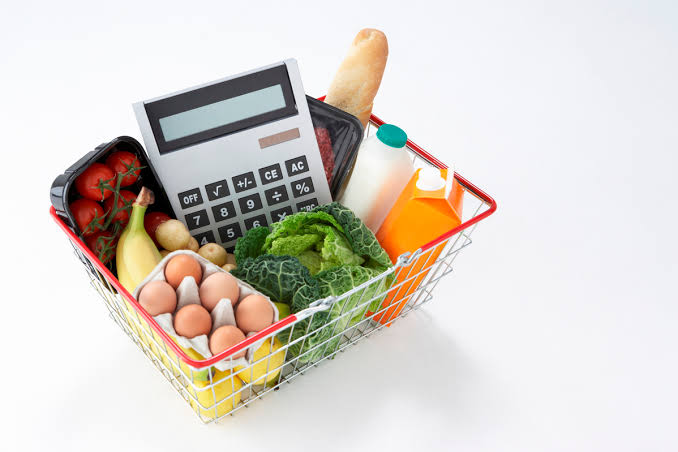
Groceries cost more in Fort Lauderdale than most people expect, and more than many surrounding South Florida cities.
That is not a perception problem. It is a real pattern driven by several overlapping factors: higher commercial real estate costs along heavily trafficked corridors, a supply chain that moves product through fewer distribution points than inland markets, and a local economy that supports premium pricing across many retail categories. The result is that families shopping at a grocery store in Fort Lauderdale, FL are often paying more per trip than comparable households in Pompano Beach, Lauderhill, or parts of Broward County just a few miles west.
The good news is that the gap between what groceries cost and what they need to cost is largely a behavior gap, not a luck gap. Shoppers who apply a few consistent habits close that gap significantly, often without switching stores or giving up the quality of food they bring home.
This guide covers why Fort Lauderdale grocery costs run higher, the four shopping behaviors that compound savings over time, where store brands match name brands and where they do not, and how to plan a real $100 weekly grocery run for a family of four without sacrificing fresh quality.
Why Grocery Costs Run Higher in Fort Lauderdale
Understanding why costs are higher is the first step toward shopping around them more effectively.
Fort Lauderdale sits in one of the most commercially dense corridors in South Florida. Retail space costs more here than in surrounding areas, and those costs are built into the prices shoppers see on shelves. Stores operating in higher-rent locations pass a portion of that overhead to customers in ways that are distributed across the entire store rather than concentrated in any single category.
The city also draws a significant seasonal and tourist population that shifts demand patterns throughout the year. During peak winter months, grocery traffic increases and stores have less pricing pressure to compete aggressively on everyday staples. That seasonal dynamic keeps baseline prices higher year-round than they might otherwise be in a market with more consistent, local-only demand.
Finally, the cost of groceries in South Florida generally reflects a supply chain that is geographically at the end of several major distribution routes. Produce, proteins, and specialty items often travel further to reach Fort Lauderdale shelves than they do to reach stores in Atlanta, Charlotte, or other major southeastern distribution hubs. That distance adds cost that eventually appears in shelf prices.
None of this means that smart grocery shopping in Fort Lauderdale, FL is out of reach. It means that shoppers who apply consistent strategies have more to gain here than in markets where baseline prices are already lower.
The Four Shopping Behaviors That Compound Savings Over Time
Saving money on groceries is rarely about a single dramatic change. It is about four habits that individually move the needle a little and collectively move it a lot.
1. Plan Around Weekly Specials Instead of Fixed Recipes
Most grocery stores rotate weekly specials on a predictable cycle. Proteins, produce, and pantry staples cycle through sale pricing on a regular basis, and shoppers who build their weekly meals around what is on sale rather than committing to a fixed recipe set first will consistently spend less without eating less well.
The practical version of this looks like checking the weekly circular before writing a grocery list, identifying what proteins and produce are discounted that week, and then planning three to four dinners around those items. A week where chicken thighs are on sale becomes a chicken week. A week where ground beef is discounted becomes a week of burgers, meatballs, or a simple Bolognese.
This approach requires a small mindset shift, from “what do I want to cook and what do I need to buy” to “what is available at good value and what can I make with it.” For most households, that shift saves between fifteen and twenty-five dollars per week compared to recipe-first planning.
2. Buy Proteins in Family Packs and Divide at Home
Family-size packs of chicken, ground beef, pork, and fish almost always carry a lower per-pound price than smaller packages of the same product. The savings vary by store and week but typically run between ten and thirty percent per pound compared to individually portioned cuts.
The barrier for most households is the upfront cost and the assumption that buying more means using more before it spoils. Neither has to be true. Buying a large pack of chicken thighs, dividing it into meal-size portions at home, and freezing what you will not use in the next two days costs roughly the same as one small package but yields enough for three or four meals rather than one.
For families doing weekly grocery shopping in Fort Lauderdale, this single habit applied consistently to proteins can reduce meat and seafood spending by twenty to thirty dollars per month without any reduction in the frequency or quality of meals that include protein.
3. Build Meals Around What Is on Sale Rather Than Fixed Recipes
This is distinct from planning around weekly specials because it applies not just at the planning stage but throughout the shopping trip itself. A shopper who enters the store with a flexible mindset, willing to substitute a similar ingredient if the original is priced high that week, will consistently spend less than one who buys exactly what is on a fixed list regardless of current pricing.
Practical flexibility looks like this: if the recipe called for salmon but tilapia is significantly cheaper that week, tilapia works. If bell peppers are expensive but zucchini is on sale, zucchini goes in the stir fry. Most meals are more ingredient-flexible than recipes suggest, and shoppers who internalize that flexibility have a real pricing advantage over those who do not.
This habit is also one of the more effective ways to reduce cheap groceries in Fort Lauderdale thinking, where the assumption is that saving money means eating worse. Flexible shopping around fresh ingredients that are in season or on sale often produces better meals than rigid adherence to a recipe that calls for out-of-season produce at premium pricing.
4. Use Store Loyalty Programs and Digital Coupons Consistently
Most major grocery stores operating in South Florida offer loyalty programs that unlock sale pricing and digital coupons that are not available at the register without activation. These programs are free to join and, for shoppers who use them consistently, represent real savings that accumulate meaningfully over a year of regular shopping.
The key word is consistently. Shoppers who activate digital coupons before every trip and who use their loyalty card on every purchase capture savings that irregular users miss entirely. On a typical weekly shop, loyalty pricing and activated digital coupons can reduce the final total by eight to fifteen dollars compared to the same cart purchased without them.
For a family spending four hundred dollars per month on groceries, that range represents between ninety-six and one hundred and eighty dollars in annual savings from a habit that takes less than five minutes per week to maintain.
Where Store Brands Match Name Brands at Meaningful Savings
Store brand products have improved significantly over the past decade, and in several grocery categories the quality difference between store brand and name brand is negligible while the price difference is substantial.
Pantry staples are the clearest win for store brand quality. Canned tomatoes, beans, broth, pasta, rice, flour, sugar, olive oil, and vinegar are categories where store brand products are frequently produced by the same manufacturers as name brand equivalents and packaged differently. The ingredient lists are nearly identical and the price difference is often twenty to forty percent.
Dairy is another strong category for store brand value. Milk, butter, shredded cheese, sour cream, and plain yogurt from store brand lines consistently perform at the same quality level as name brand equivalents in blind taste comparisons. For households that go through these items regularly, the savings compound quickly over the course of a month.
Frozen vegetables are a case where store brand is often the better choice on quality and price simultaneously. Frozen vegetables are processed at peak ripeness and store brand lines use the same supply and processing standards as name brands in most cases. Paying more for a name brand frozen pea or corn is rarely justified by any quality difference.
Household basics including paper towels, aluminum foil, plastic wrap, dish soap, and cleaning products are categories where store brand performance is strong and the savings are significant. These are not food quality questions at all, and the case for name brand premium is weakest here.
Where Store Brand Is Not a Smart Trade
There are categories where the store brand logic breaks down, and shoppers who apply it indiscriminately end up disappointed.
Specific fresh produce is not a store brand category in most grocery stores, but the equivalent thinking applies to buying the cheapest available option regardless of quality. Produce where ripeness and handling matter significantly, like strawberries, avocados, fresh herbs, and stone fruits, is worth paying attention to on a per-item basis rather than defaulting to whatever is least expensive. A cheap avocado that is not ripe when you need it or that turns too quickly is not a savings.
Certain meats are a category where the quality gap between lower-priced and better-priced options can be meaningful. Ground beef fat content, chicken quality, and seafood freshness are areas where the cheapest available option does not always represent the best value when the cooking result is factored in. This is not an argument for premium-priced name brand meat but for paying attention to quality indicators rather than price alone.
Regional and ethnic specialty items are a category where store brands frequently do not exist or where the name brand product is genuinely different in a way that matters. Specific hot sauces, imported pasta shapes, particular spice blends, specialty condiments, and cultural staples that have established flavor profiles are worth buying as the name brand because the store brand alternative, when it exists, is often a noticeably different product.
How to Plan a $100 Weekly Grocery Run for a Family of Four
A $100 weekly grocery budget for a family of four in Fort Lauderdale is achievable with fresh food and real meals. It requires intentionality but not deprivation.
Here is how the budget breaks down across categories with approximate allocations:
Proteins: $30 Two family packs cover the week. One pack of chicken thighs or drumsticks runs approximately twelve to fourteen dollars for a three-pound pack on sale. One pack of ground beef or pork runs approximately ten to twelve dollars for a similar weight. Eggs round out the protein category and add six to eight servings of additional protein at low cost.
Produce: $25 Seasonal vegetables and fruit bought with flexibility around what is currently priced well. In Fort Lauderdale, year-round warm weather means local and regional produce cycles through the stores regularly. A typical week might include two or three types of vegetables for cooking, salad greens, bananas, and one or two other fruits. Buying what is on sale and in season keeps this category under budget while keeping variety high.
Dairy and eggs: $15 Milk, butter, shredded cheese, and eggs using store brand options where applicable. This category is consistent week to week and store brand quality is strong across all of it.
Pantry and dry goods: $20 Rice, pasta, canned tomatoes, canned beans, broth, and one or two other staples replenished as needed. Not every item needs to be bought every week. Rotating through pantry restocking across weeks keeps this category from spiking.
Bread and breakfast: $10 A loaf of sandwich bread, oats or a store brand cereal, and one or two additional breakfast items. Store brand bread and oats perform well at meaningful savings versus name brand equivalents.
Sample Weekly Meal Plan for a Family of Four Under $100
This plan is built around the protein and produce assumptions above and assumes one flexible substitution based on whatever is freshest and best priced that week.
Monday Baked chicken thighs with roasted vegetables and rice. Uses roughly half of the chicken pack. Total ingredient cost for four servings: approximately twelve dollars.
Tuesday Ground beef tacos with shredded cheese, canned beans, and whatever fresh toppings are available from the produce budget. Simple, fast, and uses about a pound of ground beef. Total ingredient cost: approximately ten dollars.
Wednesday Pasta with a tomato and vegetable sauce using pantry staples. A vegetarian mid-week meal that stretches the protein budget. Total ingredient cost: approximately seven dollars.
Thursday Chicken soup using the remaining chicken from Monday’s pack, canned broth, vegetables, and rice or egg noodles. A meal that maximizes the value of the protein already purchased. Total ingredient cost: approximately eight dollars.
Friday Ground beef and vegetable stir fry over rice using the remaining ground beef and whatever vegetables are left from the produce budget. Total ingredient cost: approximately nine dollars.
Saturday and Sunday Eggs and toast for one breakfast, a simple grain and vegetable lunch, and one flexible dinner built around whatever produce or protein looks best at the store that week or whatever is left from the week’s shopping. The remaining budget covers these meals and any snacks or additional items needed across the week.
Total across the week with pantry, dairy, and breakfast items included stays within the $100 target when the four shopping behaviors are applied consistently.
Find Affordable Groceries at Key Food Lauderhill
Stretching a grocery budget in Fort Lauderdale is easier when your store makes it practical. At Key Food Lauderhill, weekly specials, fresh produce, family pack proteins, and a selection of affordable grocery store in Fort Lauderdale, FL staples are all part of what makes regular shopping manageable for real household budgets.
Come in, check the weekly deals, and see how far a smart shopping trip can actually take you.
FAQs
Why are groceries more expensive in Fort Lauderdale than in surrounding cities? Higher commercial real estate costs, a seasonal population that reduces competitive pricing pressure, and a supply chain position at the end of several major distribution routes all contribute to grocery prices running higher in Fort Lauderdale than in nearby cities like Pompano Beach or Lauderhill.
What are the best ways to save money on groceries in Fort Lauderdale, FL? The four habits that compound most meaningfully are planning meals around weekly specials, buying proteins in family packs and dividing them at home, staying flexible about ingredients based on what is priced well that week, and using store loyalty programs and digital coupons on every trip.
Are store brand groceries worth buying at a Fort Lauderdale grocery store? In several categories, yes. Pantry staples, dairy, frozen vegetables, and household basics are all areas where store brand quality is strong and the price difference versus name brand is meaningful. The categories where store brand makes less sense include certain fresh proteins, specialty and ethnic items, and produce where quality varies significantly.
Is a $100 weekly grocery budget realistic for a family of four in Fort Lauderdale? With intentional planning, flexible meal building, and consistent use of sale pricing and loyalty programs, a $100 weekly budget for a family of four is achievable with fresh produce, proteins, dairy, and pantry staples included. It requires planning but not a significant sacrifice in food quality.
What grocery categories offer the most savings when switching to store brand? Pantry staples like canned goods, rice, pasta, and cooking oils offer the most consistent savings with minimal quality difference. Dairy and frozen vegetables are close behind. Household non-food basics like paper products and cleaning supplies are also strong candidates for store brand switching.
How do weekly grocery specials work and how do I use them to save money? Most grocery stores rotate sale pricing on a weekly cycle, typically resetting on Wednesday or Thursday. Checking the weekly circular before planning meals allows you to build the week’s dinners around what is discounted rather than committing to a recipe set and then paying full price for whatever it requires.
What is the best way to reduce meat and protein costs at the grocery store? Buying family packs and dividing them into meal-size portions at home is the most consistent method. Family packs carry a lower per-pound price than smaller packages, and portioning and freezing at home eliminates the concern about using everything before it spoils.