
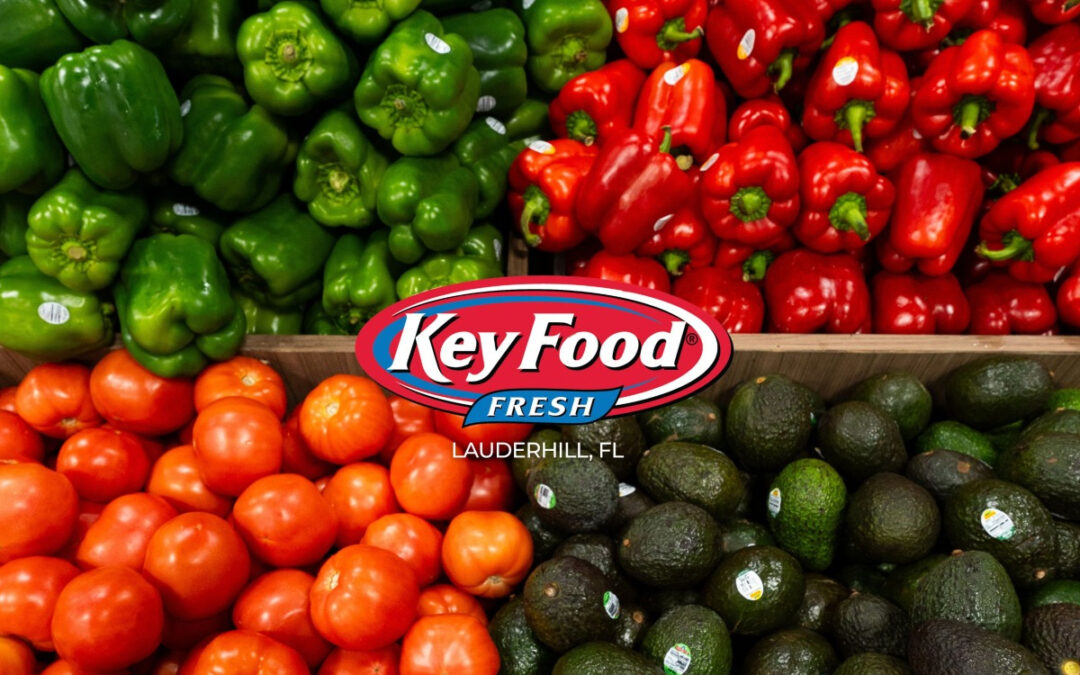
Walking into a grocery store on a hot Fort Lauderdale afternoon and finding crisp produce, cold dairy, and properly chilled proteins is something most shoppers take for granted.
It should not be taken for granted.
Behind that experience is a significant amount of infrastructure, discipline, and daily operational effort. Temperature control in a supermarket in Fort Lauderdale, FL is not a passive system running quietly in the background. It is one of the most active and consequential things a grocery store manages every single day, and it directly affects the quality and safety of everything you bring home.
Here is a closer look at how it works, why it matters more in South Florida than in most other parts of the country, and what shoppers can actually notice when a store is doing it well.
Why Temperature Control Is a Bigger Challenge in Fort Lauderdale
Fort Lauderdale’s climate creates conditions that make food freshness harder to maintain than in cooler regions.
Average summer temperatures regularly exceed 90 degrees Fahrenheit. Humidity levels stay high for most of the year. That combination accelerates the natural processes that cause food to spoil, which means a grocery store operating in Fort Lauderdale is working against more environmental pressure than a comparable store in, say, Chicago or Denver.
Produce wilts faster. Dairy products are more sensitive to even brief temperature inconsistencies. Proteins require tighter handling windows to stay safe and fresh. Every weak point in a store’s cold chain becomes more consequential in a warm, humid climate.
That is why refrigeration supermarket systems in South Florida need to be more robust, better maintained, and more consistently monitored than what you might find in stores operating in milder climates. A system that works adequately in cooler conditions may not be sufficient here.
What the Cold Chain Actually Means in a Grocery Store
The cold chain refers to the unbroken sequence of temperature-controlled steps that food moves through from the point it is harvested or produced all the way to the moment a shopper picks it up off the shelf.
In a supermarket, the cold chain includes several distinct stages.
Receiving and storage. When deliveries arrive at a store, the temperature of refrigerated and frozen items needs to be verified and maintained immediately. Product that warms up during receiving, even briefly, has already started down a path toward reduced shelf life and quality.
Cold storage grocery store areas. Most supermarkets maintain separate cold storage rooms for different product categories, produce, dairy, meat, and frozen goods each require different temperature ranges. Managing those spaces correctly means keeping them at the right temperature consistently, not just on average.
The sales floor transition. Moving product from storage to the sales floor is one of the more vulnerable points in the cold chain. Items sitting out during stocking, or placed in cases that are not properly calibrated, can lose temperature quickly in a warm store environment.
Refrigerated display cases. The cases shoppers interact with most directly are also the ones most exposed to ambient store conditions. In Fort Lauderdale, where a store’s interior temperature is constantly being influenced by outdoor heat and foot traffic, maintaining display case performance requires active monitoring and regular maintenance.
The final handoff. Once a product leaves the store with a shopper, the cold chain ends. That is why stores that handle temperature well give shoppers a better starting point. The fresher and better-maintained the product was in-store, the more time a shopper has once it gets home.
How Produce Temperature Management Works in Practice
Fresh produce is one of the most temperature-sensitive categories in any grocery store, and it is also one of the most visible indicators of how well a store manages its cold chain overall.
Different produce items have different ideal temperature and humidity ranges. Leafy greens need cold, moist conditions to stay crisp. Stone fruits do better at slightly warmer temperatures that allow for natural ripening without over-chilling. Tropical fruits, which are common in South Florida markets, often require careful handling to avoid cold damage while still staying fresh.
Produce temperature management in a well-run supermarket involves more than just keeping things cold. It involves:
Maintaining the right humidity levels in produce displays so greens do not dry out and wilt prematurely. Rotating stock carefully so older products move to the front and newer deliveries go behind it. Monitoring display case temperatures consistently rather than assuming the system is performing correctly without verification. Removing product that has crossed the line on quality before it sits out and affects the appearance and trust customers have in the entire section.
In Fort Lauderdale’s heat, a store that lets any of these steps slip will show it quickly. Produce that wilts, browns, or dries out faster than it should is often a sign that the temperature management behind the scenes is not as consistent as it needs to be.
Dairy and Refrigerated Items Require Consistent Cold
Dairy products are less forgiving than produce when it comes to temperature fluctuations. Milk, yogurt, cheese, and eggs all have strict safety and quality thresholds that depend on being kept consistently cold throughout their time in the store.
The challenge in a busy supermarket is that refrigerated cases are opened and closed hundreds of times per day. Each time a case opens, cold air escapes and warmer store air enters. In a warm climate like Fort Lauderdale, that ambient air is already working against the case before it even gets inside.
Well-maintained refrigeration supermarket systems compensate for this by recovering temperature quickly after each case opening, running display cases slightly colder than minimum requirements to build in a buffer, and flagging any cases that are underperforming before the products inside are affected.
Shoppers can notice this without knowing anything about the technical side. Dairy cases that feel genuinely cold when you open them, that do not have condensation pooling in unusual places, and that keep product at consistent temperatures from the front of the shelf to the back are signs of a system that is being maintained properly.
Meat and Seafood: Where Temperature Control Has the Most Immediate Stakes
Of all the departments in a grocery store, meat and seafood are where temperature control has the clearest and most immediate impact on both food safety and quality.
Raw proteins are the most time-sensitive items in the store. They require consistent refrigeration at temperatures that slow bacterial growth without freezing the product. In a warm climate, even modest temperature failures in a meat or seafood case can accelerate spoilage in ways that are not always immediately visible to the shopper.
A well-run supermarket in Fort Lauderdale, FL manages this through several practices that together reduce the risk of temperature-related quality problems.
Cases are monitored for temperature performance rather than assumed to be functioning correctly. The product is rotated and dated carefully so nothing sits beyond its window. The meat and seafood departments maintain strict receiving standards so that product arriving at questionable temperatures does not make it to the floor. Staff are trained to recognize signs of temperature failure and respond before the product is affected.
The result, when done well, is a meat and seafood section where shoppers can feel confident about what they are buying. The product looks right, smells right, and holds up properly once it gets home. When temperature management is weak, the opposite becomes apparent quickly.
What Shoppers Can Actually Notice About Temperature Control
Most shoppers are not thinking about refrigeration systems when they walk through a store. But they are picking up on the results of those systems constantly, often without realizing it.
Signs that a supermarket is managing temperature well include:
Produce that looks genuinely fresh, with leafy greens that are crisp and bright rather than limp or yellowing. Dairy cases that feel cold immediately when opened rather than cool or lukewarm. Meat and seafood that looks properly handled and does not have an off smell near the case. Frozen food sections where the product feels solidly frozen rather than soft or partially thawed. Display cases that are not leaking condensation onto the floor, which can signal a system working harder than it should.
Signs that temperature management may have gaps include product that seems to have a shorter-than-expected shelf life once you get it home, visible wilting or browning in produce displays, or refrigerated items that feel warmer than expected when you pick them up.
Over time, shoppers develop a sense for which stores handle this well and which ones do not, even if they never think about refrigeration systems explicitly. It shows up in the freshness of what they bring home and in how long it holds up.
Why Consistent Temperature Management Builds Shopper Trust
Food freshness control is not just an operational concern. It is a trust issue between a store and its customers.
When a supermarket consistently delivers fresh, properly handled food, shoppers build confidence in that store. They stop second-guessing produce in their cart. They feel comfortable buying proteins without worrying about how long they will actually hold. They come back regularly because the store has proven itself reliable.
That trust is built over time through consistency. One good visit does not establish it. Many good visits in a row do. And it is lost quickly when freshness starts slipping, because shoppers notice, even if they cannot always articulate exactly why something feels off.
In Fort Lauderdale, where the climate creates a higher baseline challenge for every store, the supermarkets that earn consistent shopper trust are usually the ones that have invested in maintaining their cold chain properly and keep doing so visit after visit.
Fresh Food You Can Count On at Key Food Lauderhill
At Key Food Lauderhill, keeping food fresh is a daily priority. From how deliveries are received to how produce, dairy, and proteins are handled on the floor, the focus is on making sure what you bring home reflects the quality you expect.
If you are looking for a neighborhood grocery store where freshness is consistent and not something you have to guess at, come see what Key Food Lauderhill has to offer.
FAQs
Why does temperature control matter more in Fort Lauderdale than in other cities?
Fort Lauderdale’s heat and humidity accelerate food spoilage faster than in cooler climates. That means grocery stores here need more consistent and robust refrigeration systems to keep produce, dairy, and proteins at the same quality level shoppers expect.
What is the cold chain and why does it matter in a grocery store?
The cold chain is the continuous sequence of temperature-controlled steps that food moves through from production to the store shelf. Any break in that chain, even a brief one, can reduce shelf life and quality. In a warm climate, gaps in the cold chain show up faster and more noticeably.
How can shoppers tell if a supermarket is managing temperature well?
Look at the produce section first. Crisp, bright greens and fresh-looking fruit are good indicators. Also check whether dairy cases feel genuinely cold when opened and whether the meat section smells clean and looks properly handled. These are the most visible signs of a well-maintained cold storage grocery store.
Does refrigeration affect how long food lasts at home after shopping?
Yes, directly. Product that has been kept at the right temperature consistently in the store starts its time in your home in better condition. Food that has experienced temperature inconsistencies in the store often has a shorter useful life once you get it home, even if it looks acceptable at the point of purchase.
What makes produce temperature management particularly difficult in South Florida? Different produce items require different temperature and humidity conditions, and South Florida’s ambient heat puts constant pressure on display cases. Leafy greens need cold and moisture, tropical fruits need careful handling to avoid cold damage, and everything moves toward spoilage faster when the environment outside the case is already warm and humid.
How often should a supermarket check its refrigeration systems?
Well-run stores monitor refrigeration performance continuously rather than on a fixed schedule. Display case temperatures, storage room conditions, and receiving protocols all need regular attention, especially in a climate like Fort Lauderdale’s where the consequences of a lapse show up quickly in product quality.