
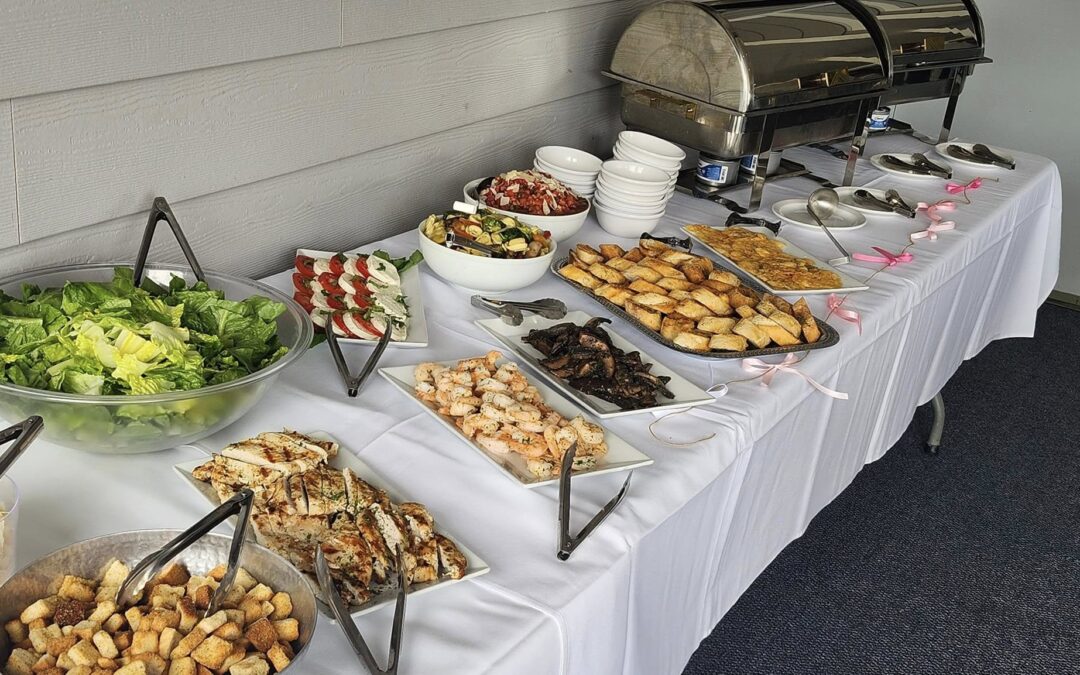
Fort Lauderdale is one of those cities where hosting happens often and in formats that do not always fit a standard dinner party template.
A boat day turns into an impromptu dock spread. A snowbird-season dinner for eight becomes the social event of the week. A condo gathering needs to feel pulled together without access to a full kitchen. A vacation rental arrival needs stocking before guests even land.
Each of those scenarios has its own shopping logic, its own guest count math, and its own set of supermarket departments to prioritize. A well-planned trip to a supermarket in Fort Lauderdale, FL can cover all of them without the complexity or cost of a catering order, as long as the shopping is organized around how each type of gathering actually works.
This guide covers the four hosting scenarios most common in Fort Lauderdale, how to build a shopping list for each one, which supermarket departments to plan around, how to scale for different guest counts, a 48-hour shopping timeline that keeps everything at peak freshness, and a complete starter charcuterie board built entirely from supermarket sourcing.
Why Fort Lauderdale Hosting Has Its Own Grocery Logic
Hosting anywhere requires planning. Hosting in Fort Lauderdale requires planning around a few specific conditions that shape what works and what does not.
The heat and humidity that define South Florida’s climate most of the year affect how food behaves on a table. Items that hold up for two hours at a dinner party in Chicago may need to be refreshed or rotated after forty-five minutes outside on a Fort Lauderdale dock in July. Cold presentations stay cold longer in climate-controlled condos than they do on open-air terraces. Seafood that is bought three days in advance in a cooler climate may need to be bought one day in advance here to arrive at the table at its best.
The social calendar also runs differently. Fort Lauderdale’s snowbird season, roughly November through April, concentrates a significant amount of social activity among part-year residents who entertain frequently and expect a certain quality standard from the gatherings they attend and host. Summer hosting skews more casual and outdoor-focused, organized around boats, pools, and covered outdoor spaces rather than formal dining rooms.
Understanding which season and format you are hosting for shapes everything from what you buy to when you buy it to how you present it.
The Four Hosting Scenarios Most Common in Fort Lauderdale
Boat Day and Dock Parties
Boat day hosting has its own set of requirements that differ significantly from indoor entertaining.
Food needs to be portable, sturdy, and easy to eat without full table settings. Nothing that requires heating or careful plating. Nothing that will wilt, melt, or spoil quickly in direct sun. Everything needs to be packaged or containerized in a way that travels well and survives being passed around a boat deck.
The supermarket shopping list for a boat day leans heavily on items that are inherently portable and self-contained. Charcuterie components that travel well in containers, sturdy crackers rather than delicate ones, hard cheeses that hold their texture in heat better than soft varieties, fresh fruit that does not require slicing on board, dips in sealed containers, and grab and go items from the prepared section that can be eaten at room temperature all work well in this format.
Beverages are a significant part of boat day shopping. A well-stocked cooler built from the supermarket beer and wine aisle, supplemented with sparkling water, juice, and mixers, covers most groups without requiring a separate liquor store run.
The key constraint on boat day shopping is weight and container volume. A Costco-style quantity of food that works perfectly for a backyard party becomes a logistical problem on a thirty-foot boat. Buying slightly less than you think you need and focusing on high-density, low-volume items keeps the cooler manageable and the deck uncluttered.
Snowbird-Season Dinner Parties
The snowbird dinner party is Fort Lauderdale’s most formal recurring hosting occasion and the one that benefits most from careful supermarket planning.
These gatherings tend to involve guests who entertain and dine out frequently, who have clear expectations about food quality, and who are comparing what they experience socially in Fort Lauderdale against standards set in their primary-residence cities. That context raises the bar for what a supermarket-sourced dinner party needs to deliver.
The shopping strategy for a snowbird dinner party centers on the supermarket departments that produce the highest-quality outputs with the least risk of execution failure. A charcuterie and cheese board built from the deli counter requires skill in selection but no cooking. A prepared foods anchor entree supplemented with a few home-cooked sides reduces the kitchen burden without reducing the quality of what lands on the table. Fresh bakery bread from the supermarket bakery department eliminates one more thing to make from scratch.
Wine selection matters more for this hosting scenario than any other. Spending time in the wine and beer aisle with a clear budget and a sense of the evening’s menu allows for a more intentional pairing than grabbing whatever is familiar. Most Fort Lauderdale supermarkets with strong wine sections carry enough variety to cover a full dinner party from aperitivo through dessert wine without requiring a specialty wine shop visit.
Condo Gatherings
Condo hosting in Fort Lauderdale presents a specific set of constraints that shape the shopping list more than the guest list does.
Kitchen size is the primary factor. Many Fort Lauderdale condos, particularly in the beachside and downtown corridors, have kitchens that are functional for daily cooking but not designed for large-scale entertaining production. Ovens may be small, counter space may be limited, and the proximity of the kitchen to the living and dining area means that complex cooking smells and noise become part of the guest experience in ways they would not in a larger home.
The condo hosting shopping strategy prioritizes items that require minimal kitchen production. A charcuterie and deli platter spread that is assembled rather than cooked. Fresh produce arrangements that need washing and cutting but nothing more. Prepared entrees from the supermarket prepared foods section that need only reheating. Bakery items that are finished rather than baked from scratch.
This approach is not a compromise. A well-assembled condo spread built from quality supermarket sourcing can match or exceed what a complicated home-cooked menu delivers, especially when the host is not exhausted from hours of kitchen work and can actually be present with their guests.
Vacation Rental Host Shopping for Arrivals
This is a distinct Fort Lauderdale hosting scenario that does not get discussed often but is genuinely common in a city with significant short-term rental activity.
Vacation rental hosts who stock their properties for guest arrivals need to shop for people they have not met, with tastes they can only estimate, who will be arriving at various times and in various states of hunger and travel fatigue. The shopping logic here is entirely different from planning a dinner party for known guests.
The arrival stocking list for a vacation rental should cover breakfast basics that work for a range of preferences, a few pantry staples that enable simple meal preparation, some ready to eat items for guests who arrive hungry and do not want to cook immediately, and a selection of beverages that covers the basics without being so elaborate that restocking becomes expensive.
The supermarket departments most relevant for arrival stocking are the bakery for fresh bread and pastry items, the dairy section for eggs and milk basics, the produce section for fruit that will hold for two to three days without preparation, the prepared section for a few grab and go items, and the wine and beer aisle for a welcome bottle and a small beverage selection.
Arrival stocking is also where the 48-hour shopping timeline matters most. Produce and prepared items bought too early will not be at their best when guests arrive. Timing the shopping trip to land within a day of the arrival date keeps everything fresh for the moment it matters.
The Supermarket Departments to Plan Around for Hosting
The Deli Counter: Charcuterie, Platters, and Cheese
The deli counter is the hosting department that delivers the highest return on planning effort.
A well-stocked deli in Fort Lauderdale, FL carries a range of cured meats, sliced proteins, prepared salads, and specialty cheeses that form the foundation of any grazing spread. The advantage of building from the deli counter is that the work of sourcing, curing, and preparing the components has already been done. The host’s job is selection and arrangement, not production.
For charcuterie in Fort Lauderdale, FL, the deli counter typically offers prosciutto, salami varieties, capicola, smoked turkey, and often a rotating selection of specialty cured items. Cheese selection varies by store but a well-stocked deli should carry at least one hard aged option, one semi-firm option, and one soft option suitable for spreading, which covers the range needed for a complete board.
Many supermarkets in Fort Lauderdale also offer pre-built party platters ordered through the deli counter with advance notice. These are worth considering for larger gatherings where the assembly work alone would be time-consuming. Supermarket catering in Fort Lauderdale, FL through the deli platter route is significantly less expensive than external catering while delivering a comparable presentation for grazing-style spreads.
Fresh Produce: Crudites, Arrangements, and Garnishes
The produce section contributes more to hosting than most shoppers use it for.
Beyond the obvious fruit tray, the produce section offers everything needed for a crudite arrangement that rivals what specialty food shops charge significant premiums for. Tri-color carrots, Persian cucumbers, radishes, endive leaves, sugar snap peas, cherry tomatoes, and bell pepper strips all hold well, present beautifully, and pair naturally with the dips and spreads that come from the deli section.
Fresh herbs from the produce section are one of the most underused hosting tools available at the supermarket level. A bundle of fresh basil, mint, rosemary, or thyme costs very little and adds visual and aromatic quality to a spread that signals effort and intention without requiring any cooking.
For Fort Lauderdale’s warmer months, produce selection for hosting should weight toward items that hold their appearance and texture in heat. Heartier vegetables outlast delicate ones on a warm terrace. Whole fruit in a bowl holds longer than pre-cut arrangements. These are small adjustments that make a meaningful difference in how a spread looks at the end of an evening versus the beginning.
The Bakery: Breads, Crackers, and Desserts
The bakery department handles two distinct hosting needs: the bread and cracker vehicle for deli and cheese spreads, and the dessert component that closes the evening.
For bread, the hosting priority is variety in texture and size rather than quantity. A sliced baguette, a seeded cracker variety, and one or two artisan-style bread options cover the range of preferences at most gatherings without producing more bread than gets eaten. Supermarket bakeries in Fort Lauderdale typically bake fresh throughout the day, which means timing a trip to the bakery section in the morning of a same-day gathering produces the freshest possible product.
For desserts, the bakery offers a faster path to a presentable finish than home baking in most cases. A layered cake, a selection of individual pastries, or a tart that can be sliced and plated at the table all deliver a dessert course that looks intentional without the time investment of baking from scratch. For boat days and condo gatherings where presentation is more casual, a bakery cookie selection or a box of individual pastries serves the same purpose with less ceremony.
Wine and Beer: Building a Hosting Beverage Selection
The wine and beer aisle deserves more deliberate attention for hosting than it typically gets.
A hosting beverage selection should cover a sparkling or light aperitivo option for arrival, a white and a red for dinner or grazing, a beer selection that covers at least one lager-style and one more flavorful option, and a non-alcoholic option beyond water for guests who are not drinking.
For snowbird-season dinner parties, wine selection is worth spending fifteen to twenty minutes on rather than grabbing what is familiar. Most Fort Lauderdale supermarkets with serious wine sections organize by region and varietal and carry enough variety in the fifteen to thirty dollar per bottle range to build a genuinely good hosting selection without the specialty shop price premium.
For boat days and casual gatherings, the beer and canned beverage selection is more relevant than the wine selection. A cooler built around a case of a crowd-friendly lager, a variety pack, a selection of sparkling water and juice, and a few mixer options covers most boat day groups without overcomplicating the beverage situation.
Prepared Foods: Low-Prep Entrees for Hosting
The prepared foods section is the hosting department that makes the most difference on the highest-pressure occasions.
Using a prepared entree or two as the anchor of a dinner party menu allows the host to focus time and energy on the presentation, the sides, the dessert, and the guest experience rather than spending the hour before people arrive managing multiple pots and pans. A well-chosen prepared entree that is reheated and plated with care is indistinguishable from a home-cooked dish to most guests, and it arrives at the table at the right temperature and in the right quantity without the risk of timing failures that come with cooking everything from scratch.
For Fort Lauderdale hosting, the prepared foods section’s Caribbean and Latin specialty items are particularly useful. A prepared pernil, a tray of rice and peas, a container of stewed oxtail, or a selection of empanadas from the prepared section give a gathering a distinctly South Florida flavor profile that reflects the local food culture and distinguishes the spread from the standard dinner party template.
How to Scale Shopping for Guest Counts of 6, 12, and 20
Scaling a hosting shopping list is one of the parts of party planning that most often goes wrong, either through over-purchasing that produces significant waste or under-purchasing that produces an awkward shortage mid-gathering.
For 6 Guests
A gathering of six is the most manageable hosting scale and the one where quality per item matters more than total quantity.
For a charcuterie and grazing spread: approximately six to eight ounces of cured meat total across two to three varieties, twelve to sixteen ounces of cheese across two to three types, one baguette sliced, one cracker variety, and a produce arrangement using three to four vegetable types plus one fruit component.
For a dinner with a prepared entree anchor: one full prepared entree portion sized for six, two side dishes either home-cooked or from the prepared section, one bakery dessert sized for six to eight servings.
Beverages for six: two bottles of wine for a dinner gathering, one case of beer for a casual gathering, two to three liters of non-alcoholic beverages.
For 12 Guests
Twelve guests is the inflection point where quantity starts to matter as much as quality and where the logistics of the shopping trip become more complex.
For a grazing spread: twelve to sixteen ounces of cured meat across three to four varieties, twenty to twenty-four ounces of cheese across three types, two baguettes, two cracker varieties, a produce arrangement using five to six vegetable and fruit components, and at least two dip or spread options from the deli section.
For a dinner: two full prepared entree portions or one large prepared entree plus one home-cooked protein, three side dishes, bread service for twelve, and a dessert sized for twelve to fourteen servings.
Beverages for twelve: four to five bottles of wine, one and a half cases of beer, four to five liters of non-alcoholic beverages.
For 20 Guests
Twenty guests pushes most home hosting into event territory and requires a shopping approach that prioritizes efficiency and logistics as much as quality.
At this scale, the deli platter ordering service available at most Fort Lauderdale supermarkets becomes genuinely useful. A pre-built charcuterie and cheese platter ordered forty-eight hours in advance, supplemented with produce and bakery additions, reduces the assembly burden significantly compared to sourcing and arranging twenty-person quantities of individual components.
For a grazing spread at twenty: two to three full supermarket catering platters in Fort Lauderdale, FL, supplemented with additional crackers, bread, produce arrangements, and dip selections to fill out the table.
For dinner at twenty: three to four prepared entree portions, four to five side dishes, full bread service, and a dessert option that can be portioned individually rather than requiring slicing and plating at the table.
Beverages for twenty: eight to ten bottles of wine, two to three cases of beer, eight to ten liters of non-alcoholic beverages.
A 48-Hour Shopping Timeline for Peak Freshness
The timing of a hosting grocery run matters as much as what goes into the cart, particularly in Fort Lauderdale where heat accelerates the window between peak freshness and past-peak.
48 Hours Before the Gathering
This is the right time to handle everything that holds well and benefits from advance preparation.
Wine, beer, and non-alcoholic beverages can be purchased now and stored without quality loss. Pantry items, crackers, condiments, oils, and shelf-stable components of the spread belong in this trip. Any supermarket catering platter orders should be placed now or earlier to ensure availability and proper preparation time.
Cheese can also be purchased at this stage. Hard and semi-firm cheeses hold well for two to three days under proper refrigeration and often benefit from a day or two of rest after purchasing.
24 Hours Before the Gathering
Fresh deli items, cured meats, and prepared foods from the supermarket prepared section should be purchased now rather than two days in advance. These items have shorter windows at peak quality and benefit from being as fresh as possible when served.
Produce for arrangements and crudites belongs in this trip as well, with the exception of items that are very sensitive to temperature and handling. Washing and prepping vegetables can be done now and stored in airtight containers in the refrigerator overnight, which reduces day-of preparation significantly without sacrificing freshness.
Bakery items purchased now will be at their best through the following day if stored properly. Bread should be kept at room temperature in a sealed bag rather than refrigerated, which dries it out faster.
Day of the Gathering
Seafood should be purchased the day of, not before. Fort Lauderdale’s climate makes same-day seafood purchase important for both safety and quality, and most supermarket seafood counters in Fort Lauderdale receive fresh deliveries in the morning, making a midday pickup the optimal timing.
Any additional fresh produce that is particularly delicate, fresh herbs, cut fruit arrangements, and very ripe items should also be handled day-of rather than the night before.
Final assembly of boards, arrangements, and platter presentations can begin two to three hours before guests arrive and should be refrigerated until approximately thirty minutes before service, which allows everything to come to a temperature that shows flavors at their best without sitting out long enough to raise safety concerns in a warm environment.
A Starter Charcuterie Board Built from Supermarket Sourcing
A complete charcuterie board for eight to ten guests built entirely from a well-stocked Fort Lauderdale supermarket requires sourcing from four departments and takes approximately twenty minutes to assemble.
From the deli counter
Two cured meat varieties: prosciutto and a salami of your choosing. Approximately four ounces of each provides enough for grazing without overwhelming the board with a single flavor. Ask for the prosciutto sliced thin enough to fold easily and the salami at a medium thickness that holds its shape when picked up.
Two to three cheese varieties: one hard aged cheese such as a parmesan or aged gouda, one semi-firm cheese such as a manchego or gruyere, and one soft spreadable option such as a brie or a whipped goat cheese. Approximately four ounces each of the hard and semi-firm options and one small wheel or container of the soft option provides enough variety without overcrowding the board.
One prepared dip or spread from the deli: hummus, olive tapenade, or a fig jam if available. These fill the board visually, provide a spread vehicle for crackers and bread, and add a flavor dimension that pure meat and cheese does not cover.
From the bakery
One sliced baguette and one cracker variety. The baguette provides a fresh bread element and the crackers provide a sturdy vehicle for softer toppings. Two vehicles are enough for a board of this size. More than two start to crowd the presentation without adding meaningful variety.
From the produce section
Three to four produce additions: a handful of grapes, a small pile of cherry tomatoes, a few Persian cucumber slices, and a small bunch of fresh rosemary or thyme for garnish. These additions fill visual gaps on the board, add color contrast, provide a fresh element that balances the richness of the meat and cheese, and make the overall presentation look considered rather than assembled in a hurry.
From the pantry aisle
Marcona almonds or a mixed nut variety, and a small jar of honey if the deli section does not carry it. Nuts add texture and a savory counterpoint to sweeter elements. Honey drizzled over the soft cheese or served alongside it ties the sweet and savory elements of the board together and is one of those additions that guests notice and comment on even when they cannot quite identify what it is.
Assembly
Place the soft cheese and the dip containers first, as anchor points around which everything else is arranged. Fill in the cured meats next, folding or loosely piling them rather than laying them flat, which adds visual height. Place the hard and semi-firm cheeses in two separate areas of the board. Fill gaps with produce additions, crackers, and nuts. Tuck fresh herb sprigs into remaining gaps as garnish. Drizzle honey over or alongside the soft cheese immediately before serving.
The result is a board that reads as intentional and well-sourced, covers the full range of flavor and texture that a good charcuterie spread provides, and costs significantly less than a comparable board from a specialty food shop or a catering order.
Stock Your Next Gathering at Key Food Lauderhill
Whether you are hosting a dock party for ten, a snowbird dinner for eight, or stocking a vacation rental for arriving guests, Key Food Lauderhill has the deli, produce, bakery, prepared foods, and beverage selection to cover every part of your hosting shopping list in one trip.
Come in and let the store do the heavy lifting for your next Fort Lauderdale gathering.
FAQs
What supermarket departments should I plan around for hosting in Fort Lauderdale? The four most important departments for hosting are the deli counter for charcuterie and platters, the produce section for crudites and garnishes, the bakery for bread and desserts, and the prepared foods section for low-prep entrees. The wine and beer aisle rounds out the shopping for most gathering formats.
How far in advance should I buy groceries for a Fort Lauderdale dinner party? A 48-hour timeline works well for most hosting scenarios. Wine, beer, pantry items, and cheese can be bought two days out. Fresh deli items, prepared foods, and produce should be purchased the day before. Seafood should always be purchased the day of the gathering in Fort Lauderdale’s climate.
Can I build a complete charcuterie board from a Fort Lauderdale supermarket? Yes. A well-stocked deli counter, combined with produce section additions, bakery bread, and pantry aisle items like nuts and honey, provides everything needed for a complete charcuterie board that compares favorably to specialty shop sourcing at a lower total cost.
How do I scale a hosting shopping list for different guest counts? A gathering of six requires approximately six to eight ounces of cured meat and twelve to sixteen ounces of cheese for a grazing spread. Double those quantities for twelve guests. At twenty guests, using the supermarket’s pre-built platter ordering service reduces assembly burden significantly and ensures consistent presentation at scale.
What hosting scenarios are most common in Fort Lauderdale? The four most common formats are boat day and dock parties, snowbird-season dinner parties during November through April, condo gatherings with limited kitchen access, and vacation rental host shopping for arriving guests. Each has its own shopping logic and supermarket department priorities.
Is supermarket catering a viable option for Fort Lauderdale gatherings? For grazing-style spreads and platter presentations, yes. Most Fort Lauderdale supermarkets offer deli platter ordering with advance notice that delivers comparable presentation to external catering at significantly lower cost. For larger guest counts of fifteen or more, ordering platters through the deli counter is often the most efficient approach.
How does Fort Lauderdale’s climate affect hosting grocery planning? Heat and humidity accelerate how quickly fresh items move past their peak, which makes timing more important here than in cooler climates. Produce arrangements and prepared items should be refrigerated until closer to service time, seafood should always be purchased same-day, and outdoor presentations should be planned with rotation and refreshment in mind during warmer months.