
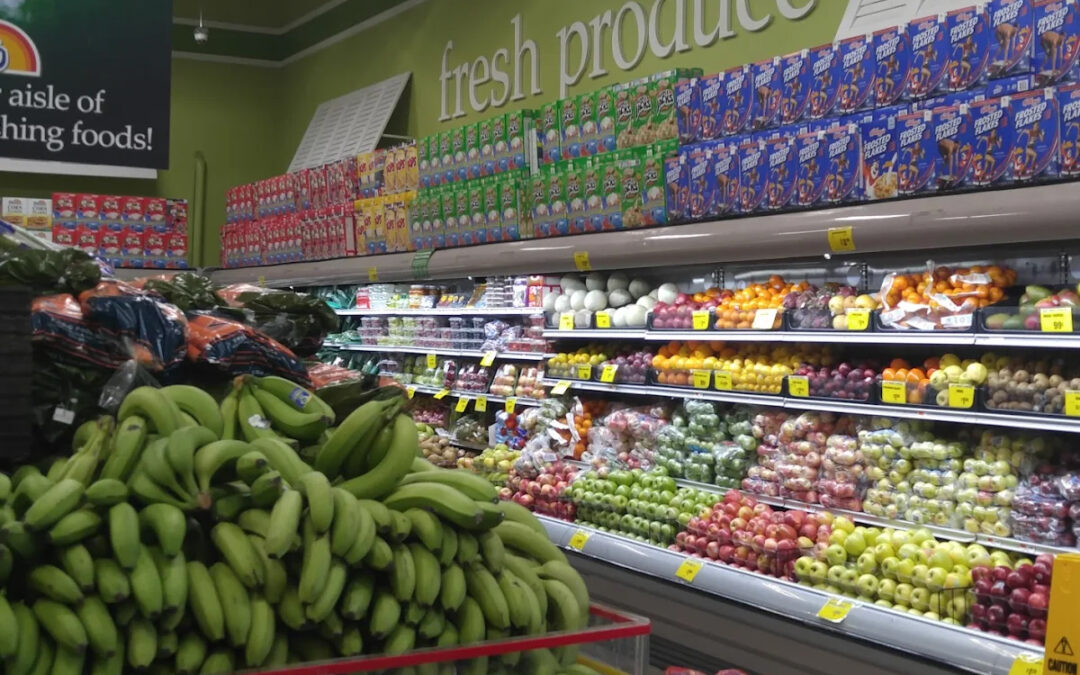
A well-stocked shelf and a clean store go a long way. But neither one can answer a question, help you find something, or make a frustrating moment feel manageable.
That is where people come in.
In-store staff are one of the most underappreciated parts of what makes a grocery store in Fort Lauderdale, FL work well for its customers. The layout can be logical, the produce can be fresh, and the prices can be fair, but the experience of actually shopping there is shaped in large part by the people working in it.
This is true whether you realize it or not. A staff member who points you in the right direction, helps you find a specific cut of meat, or simply keeps the store running smoothly during a busy afternoon is contributing to your experience even when you never have a direct conversation with them.
Here is a closer look at the role grocery store staff play and why it matters more than most shoppers think about.
First Impressions Are Often Set by People, Not Shelves
Walk into any grocery store and the first human interaction sets a tone.
It does not have to be a formal greeting or an elaborate welcome. It can be something as simple as a staff member near the entrance who acknowledges you, or a produce employee who is clearly taking care of their section and makes the department feel attended to rather than left on its own.
Those small signals register with shoppers immediately. A store where staff seem engaged and present feels different from one where employees seem absent or indifferent, even if the product selection is identical. That initial impression influences how confident and comfortable a shopper feels for the rest of the trip.
For a grocery store in Fort Lauderdale, FL serving a community that includes regulars who shop multiple times a week, that first impression compounds over time. Shoppers who consistently feel acknowledged and well-served build a positive association with the store that goes beyond any single visit.
Product Knowledge Makes a Real Difference in Key Departments
Not every part of a grocery store requires staff expertise. Finding canned tomatoes or a box of cereal does not usually require assistance. But several departments benefit significantly from staff who know what they are talking about.
The meat and seafood counter is one of the clearest examples. Shoppers often have questions about cuts, preparation methods, portion sizes, and what is freshest that day. A staff member who can answer those questions confidently and accurately adds real value to the interaction. One who cannot leave the shopper to guess, which often results in a less satisfying purchase.
The produce section is another area where staff knowledge matters. Questions about ripeness, how to store certain items, or what to substitute when something is out of stock are common, and a staff member who can answer them well turns a potential frustration into a smooth moment.
The deli counter involves similar dynamics. Recommendations on slicing thickness, information about specific products, and help navigating options all require staff who are familiar with what they are handling and comfortable sharing that knowledge with customers.
In each of these departments, customer service supermarket quality is directly tied to how well staff know their product and how willing they are to engage with shoppers who need help.
Availability Matters as Much as Attitude
Good intentions from staff do not help shoppers if no one is actually around when needed.
One of the most common frustrations shoppers describe in grocery stores is not being able to find a staff member when they have a question. A store can employ friendly, knowledgeable people and still fall short if those people are not visible and accessible on the floor during shopping hours.
This is particularly relevant in Fort Lauderdale, where grocery stores serve steady traffic throughout the day from a mix of working residents, retirees, families, and visitors. Shopping patterns here do not always follow a simple peak-and-off-peak rhythm, which means stores need consistent staff coverage across more of the day than a simpler traffic pattern might require.
Helpful supermarket employees are most helpful when they are present, visible, and approachable. A staff member stocking shelves in a back area during a busy midday rush is less useful to shoppers than one who is accessible on the floor. Stores that balance stocking and operational tasks with customer-facing availability tend to create a noticeably better shopping environment.
How Staff Handle Problems Defines the Store’s Reputation
Every grocery store encounters problems. A product is out of stock. A price does not ring up correctly. A display case is malfunctioning. A shopper cannot find something they expected to be there.
What separates stores is not whether problems happen but how staff respond when they do.
A staff member who responds to a problem with genuine effort, whether that means checking stock in the back, calling over someone who can help, or simply acknowledging the issue and explaining what they can do, leaves the shopper feeling respected even when the outcome is not perfect.
A staff member who responds with indifference, or who is difficult to find in the first place, leaves the shopper feeling like the store does not value their time or business.
That difference in how problems are handled shapes the store experience improvement that separates good grocery stores from great ones over the long run. Shoppers remember how they were treated during a difficult moment more clearly than they remember a routine trip where everything went smoothly.
Staff Contribute to Store Cleanliness and Organization
The role of in-store staff extends well beyond direct customer interaction.
Much of what makes a grocery store feel well-maintained comes from the ongoing work of employees throughout the day. Shelves that stay organized during busy periods, produce sections that are tidied and rotated regularly, refrigerated cases that are monitored and maintained, and floors that are kept clear all depend on staff who are doing their jobs consistently and attentively.
In Fort Lauderdale, where grocery stores operate in a warm climate that puts additional pressure on fresh departments, this kind of behind-the-scenes work is particularly important. A produce section that gets attention throughout the day stays fresher longer than one that is set up in the morning and left alone until closing. A meat case that is monitored regularly performs better for shoppers than one where issues are only noticed after the fact.
Shoppers benefit from this work constantly without always seeing it directly. The store that feels fresh and organized at 4 in the afternoon is that way because staff have been maintaining it all day, not because it started the morning in perfect condition and held that way on its own.
Familiarity Between Staff and Regular Shoppers Builds Community
One of the quieter but meaningful things that good grocery store staff contribute is a sense of familiarity that makes regular shopping feel less transactional.
Shoppers who visit the same store consistently begin to recognize staff members. Staff who pay attention begin to recognize their regulars. That familiarity, even when it never goes beyond a brief acknowledgment or a short conversation at the deli counter, creates a sense of connection that larger or more impersonal shopping environments rarely offer.
This matters more in neighborhood grocery stores than it might in big-box retail settings. A grocery store in Fort Lauderdale, FL that functions as a genuine neighborhood anchor tends to have staff who reflect that role through how they interact with customers. The regulars feel like regulars, not like anonymous transactions.
That sense of community is not something a store can manufacture through policy. It develops naturally when staff are engaged, consistent, and present over time. It is also one of the things that keeps regular shoppers coming back even when a competitor opens nearby, because the experience of shopping somewhere familiar and friendly is something that is genuinely difficult to replicate.
Training and Consistency Are What Make Good Service Reliable
Individual friendliness matters, but it is not enough on its own.
A grocery store that delivers consistently good customer service does so because it has invested in training staff well and maintaining standards over time. One helpful employee on one visit is a pleasant experience. A store where helpful, knowledgeable staff are the norm rather than the exception is one that shoppers can actually rely on.
That consistency requires stores to be intentional about how they prepare employees for customer interaction, how they handle departments that require specific product knowledge, and how they maintain service standards during busy periods when it would be easy to let things slip.
For shoppers evaluating a grocery store in Fort Lauderdale, FL, the reliability of staff service is worth paying attention to across multiple visits rather than judging from a single experience. A store that holds its service standards consistently is one that has built something worth returning to.
Experience the Difference at Key Food Lauderhill
At Key Food Lauderhill, in-store staff are a core part of what makes everyday shopping easier. From knowledgeable help at the meat and seafood counter to a team that keeps the store organized and running smoothly throughout the day, the focus is on making every visit feel supported and straightforward.
Come in and experience the kind of neighborhood grocery service that makes a real difference in your weekly routine.
FAQs
Why does grocery store staff quality matter so much for the shopping experience?
Staff are the part of the store experience that responds, adapts, and engages in real time. Good product selection and clean facilities create the foundation, but staff are what make individual trips feel smooth, supported, and worth repeating.
What departments benefit most from knowledgeable grocery staff?
Meat and seafood, produce, and the deli counter benefit most directly. These are the departments where shoppers most often have questions about freshness, preparation, or product specifics that require real knowledge rather than general guidance.
How does staff availability affect the shopping experience?
Even well-trained, friendly staff do not help shoppers who cannot find them. Consistent floor presence during shopping hours is what turns good staff into a genuine asset for customers rather than a resource that is technically available but practically hard to access.
What role do grocery store employees play in maintaining store quality?
Beyond customer interaction, staff are responsible for the ongoing maintenance of shelves, fresh departments, and refrigerated cases throughout the day. The cleanliness and organization a shopper experiences at any point in the day reflects the cumulative work of employees who have been maintaining the store since it opened.
How does staff familiarity with regular shoppers improve the grocery experience? Familiarity between staff and regular customers creates a sense of community that makes routine shopping feel more personal and less transactional. That connection, even when it is modest, is one of the things that keeps shoppers returning to a neighborhood store rather than switching to a competitor.
What should shoppers look for when evaluating staff quality at a grocery store?
Look for availability on the floor, willingness to engage when approached, and knowledge in departments like meat, seafood, and produce. Evaluate across multiple visits rather than one, since consistent service quality across many trips is a stronger indicator of a well-run store than a single positive experience.