
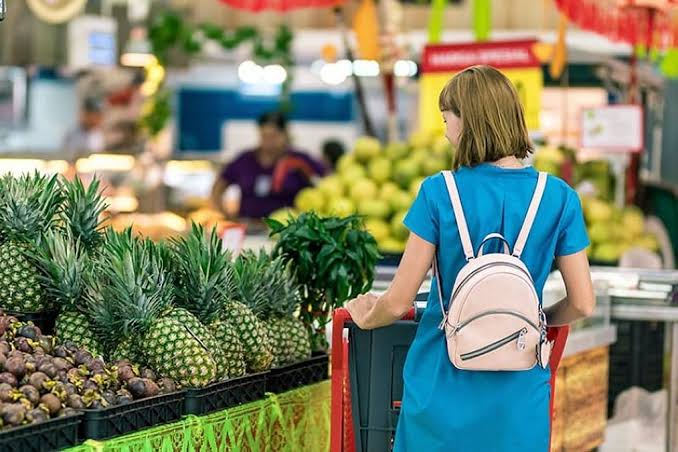
Almost every piece of grocery shopping advice assumes you are feeding more than one person.
Meal planning guides default to four servings. Budget breakdowns are built around family-sized spending. Recipe recommendations assume a refrigerator stocked for a week of varied cooking for multiple people. Even the packaging in most grocery stores is sized around households that will use a full bunch of kale or a six-pack of chicken thighs before anything goes bad.
For the solo shopper in a Fort Lauderdale apartment or condo, that advice does not translate. It produces the wrong quantities, the wrong categories of food, and often the wrong conclusion, which is that cooking for one is not worth the effort.
That conclusion is wrong, but it requires a different approach to the grocery store to get there. Fort Lauderdale has a significant population of solo households, from young professionals in downtown and Flagler Village to retirees in beachside condos to seasonal residents spending part of the year here without family in tow. None of them are well served by grocery advice built for a family of four.
This guide is built specifically for one person. It covers the four real challenges of shopping solo, the departments and categories that work best for small households, how the deli counter and prepared foods section can actually be more economical than buying raw ingredients, and a complete seven-day meal plan built on a single $60 to $80 shopping run at a grocery store in Fort Lauderdale, FL.
Why Grocery Shopping Advice Fails the Solo Shopper
The grocery industry, the recipe industry, and the meal planning industry are all built around a customer who does not exist in the proportions they assume.
The average American household has gotten smaller for decades. Single-person households now represent a significant and growing share of the total, particularly in urban and coastal markets like Fort Lauderdale where the combination of high housing costs, a strong retiree population, and a mobile professional workforce produces a large number of people living and eating alone.
Despite that demographic reality, almost nothing in the grocery shopping conversation is built for them. The family-of-four assumption shows up everywhere: in the package sizes that dominate most grocery aisles, in the recipe portion defaults on food blogs and cooking shows, in the budget planning frameworks that treat per-person costs as a simple division of a family total.
The result for solo shoppers is a recurring set of friction points that make grocery shopping feel less efficient and more wasteful than it needs to be. Understanding those friction points specifically is the starting point for shopping better.
The Four Real Challenges of Shopping for One
Food Waste Is the Most Persistent Problem
The single most common frustration among solo shoppers is buying food that does not get used before it turns.
This is not a discipline problem. It is a mismatch problem between how grocery store products are packaged and how much one person can realistically eat before freshness windows close. A standard bunch of cilantro is sized for a household that uses herbs frequently across multiple meals. A bag of spinach is sized for salads across a week of lunches for two or more people. A pack of chicken breasts typically contains three to four pieces, which represents three to four dinners for one person, and only works without waste if the freezer is being used strategically.
In Fort Lauderdale’s heat and humidity, the food waste problem is compounded further. Produce that might hold for a week in a cooler climate can turn in four or five days here, which shortens the window between purchase and use and makes over-buying even more costly.
Package Sizing Does Not Match Solo Consumption
The standard sizing of most grocery products is built around households that consume at a rate that keeps things moving before they expire or go stale.
For solo shoppers, the disconnect is felt most acutely in proteins, produce, bread, and dairy. A standard loaf of bread goes stale or moldy before one person eats through it at a normal pace. A full-sized head of cabbage or cauliflower represents more vegetable than most people eat in a week on their own. A quart of buttermilk called for in a single recipe leaves the solo shopper with three-quarters of a quart that will go unused.
Some of this can be managed through the freezer, some through smarter category selection, and some through using the grocery store’s deli and prepared sections as a substitute for buying raw ingredients in sizes that do not fit single-person consumption.
Freshness Windows Require More Planning
The freshness window challenge is related to food waste but distinct from it.
It is not just that solo shoppers buy too much. It is that the sequence and timing of what gets used within a week requires more deliberate planning when the margin for error is smaller. A family of four that buys fish for Tuesday can easily use it Tuesday or Wednesday without planning around it carefully. A solo shopper who buys fish for Tuesday and then has an unexpected dinner invitation Tuesday night has a problem.
Solo grocery shopping in Fort Lauderdale, FL requires a slightly more structured approach to sequencing meals through the week based on the relative perishability of what was purchased. The most perishable items need to be used first, and the plan needs enough flexibility to absorb the inevitable schedule variations that come with solo living.
Freezer-to-Fridge Planning Is Underused
The freezer is the solo shopper’s most underutilized asset.
Most solo shoppers either freeze things and forget them or avoid the freezer because it feels like where food goes to be forgotten. Neither approach is useful. A deliberate freezer strategy, where specific items are purchased with the explicit intention of being frozen and rotated into the week’s meals as needed, solves several of the package sizing and freshness window problems simultaneously.
Proteins in particular benefit from this approach. Buying a standard pack of chicken thighs, immediately portioning them into individual freezer bags, and pulling one or two out the night before they are needed converts a family-sized pack into a flexible solo protein source that produces no waste and no pressure to eat chicken every night for a week.
The Categories Where Small-Pack and Single-Serve Options Matter Most
Proteins
Protein is the category where package sizing causes the most friction for solo shoppers, and it is also the category with the most options for managing that friction.
At a well-stocked grocery store in Fort Lauderdale, FL, solo shoppers have several approaches available depending on the department.
The meat and seafood counter is the most flexible option for single-person portions. Buying one piece of salmon, one chicken breast, or a small portion of ground beef cut to order eliminates the package sizing problem entirely. The per-pound price may be slightly higher than a family pack, but the absence of waste makes the effective cost comparable or better.
For packaged proteins, the freezer strategy described above is the most practical solution. Buy the family pack for the better per-pound price and immediately portion and freeze everything beyond what will be used in the next two days.
Eggs are one of the most efficient proteins for solo shoppers regardless of package size. A dozen eggs provides eight to twelve servings of protein at a very low per-serving cost and holds well for several weeks under refrigeration, making them one of the few standard-sized grocery products where the solo shopper is not disadvantaged by conventional packaging.
Produce
Produce is the category where Fort Lauderdale’s climate makes solo shopping hardest. The heat shortens freshness windows and makes over-buying particularly costly.
The most effective strategy for solo produce shopping is a combination of buying small and buying deliberately. Choosing one or two vegetables per week rather than stocking a full produce drawer, selecting pre-cut or smaller-format options where available, and prioritizing items that hold longer over items that need to be used within a day or two all reduce waste without reducing variety over the course of a month.
Pre-cut produce, while more expensive per ounce than whole items, is often the more economical choice for solo shoppers when the alternative is buying a whole head of broccoli and throwing half of it away. Paying a premium for a pre-portioned amount that will actually be used is not inefficiency. It is accurate cost accounting.
Frozen vegetables are one of the most useful categories for solo shoppers and one that is significantly underutilized. Frozen peas, corn, edamame, broccoli, and mixed vegetable blends are processed at peak ripeness and hold in the freezer indefinitely. They solve the freshness window problem entirely and allow solo shoppers to add a vegetable component to any meal without planning a specific produce item into every single day’s eating.
Dairy
Dairy presents a familiar solo shopping problem: most standard sizes are too large for one person to use within a reasonable freshness window.
The most practical adjustments for solo dairy shopping are size selection and category substitution. Smaller milk formats, when available, reduce the likelihood of finishing a carton before it turns. Hard cheeses last significantly longer than soft cheeses under refrigeration, making them a lower-waste option for solo households that go through cheese slowly. Plain Greek yogurt in individual portions rather than a large container serves the same nutritional role with better freshness management.
Half-and-half in small creamer portions rather than a full carton, butter stored in the freezer and pulled as needed, and shelf-stable milk options for cooking purposes are all small adjustments that reduce the specific type of dairy waste that solo shoppers experience most often.
The Deli Counter and Prepared Foods: Often More Economical Than Cooking for One
This point deserves more emphasis than it typically receives in grocery shopping advice: for solo shoppers, buying from the deli counter or prepared foods section is frequently more economical than buying raw ingredients to cook a single-serving meal from scratch.
The math works like this. Cooking a single serving of a dish that calls for a variety of fresh ingredients often requires buying those ingredients in quantities that produce significant leftover waste. A recipe for one serving of a pasta dish might call for a quarter of an onion, a third of a can of tomatoes, one clove of garlic, and a handful of fresh basil. The onion, tomato, garlic, and basil all came in packages sized well beyond those quantities, and the remainder will be used in subsequent meals or wasted depending on how well the week’s plan holds together.
The deli counter alternative is a prepared pasta dish or a single-serving entree from the prepared foods section that costs roughly what the raw ingredients would have cost, with none of the waste and none of the cooking time.
This does not mean solo shoppers should never cook. It means that the conventional assumption, that buying raw ingredients and cooking at home is always cheaper than buying prepared food, does not hold at the single-person scale in the way it does for families. The deli counter and prepared foods section at a good Fort Lauderdale supermarket are not just convenience options for solo shoppers. They are often the genuinely more economical choice when the full cost of ingredient waste is accounted for.
For solo grocery shopping in Fort Lauderdale, FL specifically, the prepared foods section’s single-serve options, hot bar portions sold by weight, and deli counter items sold in custom quantities represent a significant practical advantage that family-focused grocery shopping advice consistently undervalues.
How to Plan a Weekly Grocery Run for One Person
A good solo grocery run has a different structure than a family shopping trip. It is shorter, more targeted, and built around a tighter set of decisions that are made before walking into the store rather than at the shelf.
The planning process for a solo weekly shop starts with three questions rather than a recipe list.
First, how many nights this week will you actually cook at home? Solo living involves more schedule variability than family routines, and a meal plan that assumes five home-cooked dinners will produce waste in any week where that number turns out to be three. Being honest about realistic cooking nights before buying for five is the single change that reduces food waste fastest for most solo shoppers.
Second, what is the one protein you will build multiple meals around? The most efficient solo weekly shops are anchored around one protein that is versatile enough to appear in different forms across multiple meals. A pack of chicken thighs portioned and used across three different preparations is more efficient than buying three different proteins for three different meals. The same chicken becomes a sheet pan dinner on Monday, a grain bowl on Wednesday, and a quick taco on Friday.
Third, what produce will you realistically use in full? Not what you intend to use or what a balanced plate ideally includes, but what you will actually finish based on how you cook and what your week looks like. For many solo shoppers, this is a shorter list than they initially write down, and that is fine. One or two produce items used completely is better than five items that end up partially wasted.
With those three questions answered, the shopping list builds itself around the anchor protein, the realistic produce selection, a set of pantry and freezer staples that fill out the week without perishability pressure, and a few deli or prepared items for the nights where cooking is not going to happen.
A Seven-Day Meal Plan for One Person on a $60 to $80 Fort Lauderdale Grocery Run
This plan is built around a single grocery run, uses one primary protein across multiple meals, keeps produce selection tight to minimize waste, and leans on the deli counter and prepared foods section for two nights rather than buying raw ingredients for every dinner.
The Shopping List
Proteins: one pack of chicken thighs (four pieces, approximately two pounds), one dozen eggs, one deli portion of sliced turkey or roasted chicken from the deli counter sized for two servings.
Produce: one bag of baby spinach, one container of cherry tomatoes, two avocados, one lemon, one small bunch of bananas, one bag of pre-cut broccoli florets.
Dairy: one small container of plain Greek yogurt, one block of cheddar or similar hard cheese, one small carton of milk or preferred dairy alternative.
Pantry and freezer: one bag of frozen mixed vegetables, one box of pasta, one can of chickpeas, one can of diced tomatoes, one bag of rice, olive oil if needed, salt, pepper, and any spices already on hand.
Prepared and deli: one prepared entree from the supermarket prepared foods section sized for one serving for use on a busy night, one deli sandwich or grain bowl for a second no-cook night.
Total estimated cost at a grocery store in Fort Lauderdale, FL: $65 to $78 depending on store pricing and specific selections.
The Seven-Day Plan
Monday: Sheet pan chicken thigh with roasted broccoli and rice. Season one or two chicken thighs, roast with the broccoli, serve over rice. Simple and requires minimal active cooking time. Portion a second chicken thigh for Wednesday use and refrigerate.
Tuesday: Pasta with canned tomatoes, chickpeas, and spinach. A pantry-forward dinner that uses no fresh protein and requires about twenty minutes. Add a handful of the cherry tomatoes raw on the side.
Wednesday: Chicken grain bowl using the reserved Monday chicken, sliced over rice with spinach, cherry tomatoes, avocado, and a lemon dressing. No cooking required beyond reheating the chicken.
Thursday: The prepared entree from the supermarket prepared foods section. This is the planned no-cook night. Reheat, plate, done.
Friday: Egg scramble with frozen vegetables, cheese, and toast. A fast dinner that uses pantry and freezer staples and costs almost nothing per serving to produce.
Saturday: The deli sandwich or grain bowl from the deli counter, eaten with cherry tomatoes and whatever produce remains from the week.
Sunday: A simple rice bowl using the remaining chicken thigh from the pack, frozen vegetables, soy sauce or whatever sauce is on hand, and the last of the spinach wilted in. This meal closes out the protein purchased Monday and uses the remaining fresh produce before the next shopping run.
Breakfasts across the week rotate between Greek yogurt with banana, scrambled eggs, and avocado toast using whatever bread is on hand. Lunches are covered by leftovers from the previous night’s dinner on most days, supplemented by the deli turkey for days when there are no leftovers.
The result is a full week of varied, real meals for one person that does not require significant cooking skill, does not produce significant waste, and stays within a $60 to $80 total grocery spend at a Fort Lauderdale supermarket.
Shop Smarter for One at Key Food Lauderhill
At Key Food Lauderhill, solo shoppers will find the deli counter portions, prepared foods options, and fresh department variety that make grocery shopping for one person more practical and less wasteful. Whether you are stocking a condo for the week or picking up for a few days at a time, the store is set up to work for smaller households as well as larger ones.
Come in and build a shopping run that actually fits your household.
FAQs
Why is grocery shopping harder for solo households than for families? Almost all grocery advice, product packaging, and recipe content is built around multi-person households. Package sizes exceed what one person can use within freshness windows, recipes default to multiple servings, and budget frameworks assume family-scale spending. Solo shoppers have to actively work around systems that were not designed for them.
What are the biggest challenges of grocery shopping for one person? The four most common challenges are food waste from over-buying, package sizing that does not match single-person consumption, freshness windows that require more deliberate planning, and an underuse of the freezer as a tool for managing both of those problems.
Is it actually cheaper to use the deli counter and prepared foods instead of cooking for one? Often yes, when the full cost of ingredient waste is included. Buying raw ingredients for a single serving frequently requires purchasing quantities far beyond what one meal needs, and the remainder goes unused. A deli or prepared section item that covers the same meal for a comparable price with no waste is often the more economical choice at the solo shopper scale.
How should a solo shopper in Fort Lauderdale plan a weekly grocery run? Start by deciding how many nights you will realistically cook at home, choose one versatile anchor protein to build multiple meals around, and select only the produce you will actually finish. Fill out the rest of the week with pantry staples, frozen vegetables, and one or two deli or prepared options for no-cook nights.
What produce works best for solo grocery shopping in Fort Lauderdale? Baby spinach, cherry tomatoes, pre-cut vegetables, and frozen vegetable options are among the most practical for solo households. Fort Lauderdale’s heat shortens fresh produce freshness windows, so prioritizing items that hold longer and supplementing with frozen vegetables reduces waste without reducing nutritional variety.
How much should a solo shopper expect to spend on weekly groceries in Fort Lauderdale? A well-planned weekly grocery run for one person at a Fort Lauderdale supermarket can cover a full week of meals including breakfast, lunch, and dinner for $60 to $80 when built around one anchor protein, tight produce selection, pantry staples, and one or two prepared food nights.
How does the freezer help with solo grocery shopping? The freezer converts family-sized packages into solo-friendly portions without waste. Buying chicken thighs in a standard pack, immediately portioning them into individual bags, and freezing what will not be used within two days gives solo shoppers access to better per-pound pricing without the pressure to eat the same protein every night before it turns.