
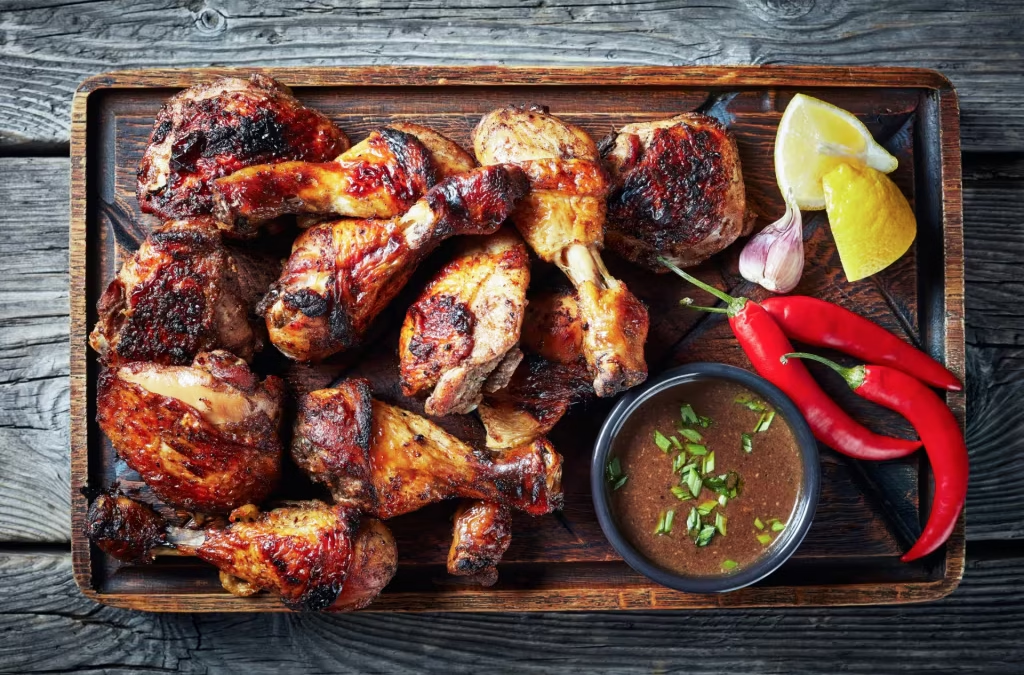
Making jerk chicken at home sounds simple until you start looking at what actually gives it that unmistakable Jamaican flavor. It is easy to coat chicken in a spicy marinade, put it on the grill, and end up with something that is hot but not especially close to true jerk chicken.
The challenge is that jerk is not built around heat alone. The balance between Scotch bonnet peppers, allspice, thyme, aromatics, sweetness, acidity, smoke, and cooking time all affects the final result. Change too much in one direction and the chicken can become overwhelmingly spicy, too sweet, too salty, or flat.
That matters because the best Jamaican jerk chicken should taste layered, not simply fiery. You want smoky edges, deeply seasoned meat, a little sweetness, plenty of aroma, and enough pepper to make the dish exciting without drowning out everything else.
Once you understand how the seasoning works, how long to marinate the chicken, and how to cook it properly, it becomes much easier to recreate those flavors in your own kitchen.
What Gives Jamaican Jerk Chicken Its Signature Flavor?
Jerk chicken gets its character from a combination of ingredients rather than one single spice. The seasoning should hit several notes at once: heat, sweetness, saltiness, earthiness, freshness, and smoke.
Two ingredients are especially important.
The first is allspice, also known as pimento. It has a warm, aromatic flavor that can remind you of cinnamon, cloves, and nutmeg all at once. It is one of the defining flavors in Jamaican jerk seasoning.
The second is Scotch bonnet pepper. These peppers bring serious heat, but they also have a fruity flavor that helps distinguish jerk from other spicy marinades.
Fresh thyme, green onions, garlic, ginger, soy sauce, citrus juice, brown sugar, and warm spices often round out the seasoning. Together, they create the balance that makes jerk chicken taste complex rather than simply spicy.

Ingredients You Need for Jamaican Jerk Chicken
You do not need a long list of hard-to-find ingredients, but a few key components make a major difference.
For about 3 to 4 pounds of chicken, you can use:
- 3 to 4 pounds bone-in chicken thighs, drumsticks, or leg quarters
- 2 to 3 Scotch bonnet peppers
- 4 green onions
- 4 cloves garlic
- 1 tablespoon fresh ginger
- 2 teaspoons ground allspice
- 1 teaspoon ground cinnamon
- 1/2 teaspoon ground nutmeg
- 1 tablespoon fresh thyme leaves or 1 teaspoon dried thyme
- 2 tablespoons soy sauce
- 2 tablespoons lime juice
- 1 tablespoon vinegar
- 1 to 2 tablespoons brown sugar
- 1 tablespoon vegetable oil
- 1 teaspoon salt
- 1/2 teaspoon black pepper
You can adjust the amount of Scotch bonnet pepper depending on your tolerance for heat. If you want the flavor without as much intensity, use fewer peppers or remove some of the seeds and inner membrane.
Which Cut of Chicken Works Best?
Bone-in, skin-on chicken usually gives you the best combination of flavor and moisture.
Chicken thighs and leg quarters are especially forgiving because they contain more fat than chicken breasts. That helps them stay juicy during grilling or roasting, even when you cook them long enough to develop charred edges.
Drumsticks are another good option, particularly if you are cooking for a crowd.
Chicken breast can work, but it dries out more easily. If you use breast meat, watch the cooking time carefully and avoid leaving it over high heat for too long.
How to Make the Jerk Marinade
The marinade is where most of the flavor develops.
Add the Scotch bonnet peppers, green onions, garlic, ginger, allspice, cinnamon, nutmeg, thyme, soy sauce, lime juice, vinegar, brown sugar, oil, salt, and black pepper to a blender or food processor.
Blend until the mixture becomes a thick, slightly textured paste.
Taste a very small amount before using it. The raw marinade will taste strong and intense, which is normal. Once it cooks into the chicken, the flavors mellow and become more balanced.
If the mixture tastes aggressively salty, add a little more lime juice or oil. If it tastes too sharp, a small amount of brown sugar can help round it out.
Do not reuse marinade that has already been in contact with raw chicken unless it is cooked thoroughly first.
How Long Should You Marinate Jerk Chicken?
Jerk chicken benefits from time.
At a minimum, let the chicken marinate for about 2 to 4 hours. For deeper flavor, refrigerate it overnight.
Before adding the marinade, make a few shallow cuts in the chicken. This gives the seasoning more surface area and helps some of it penetrate beyond the skin.
Place the chicken in a bowl or resealable container, add the jerk marinade, and coat every piece thoroughly.
Cover and refrigerate until you are ready to cook.
If you marinate overnight, remove the chicken from the refrigerator about 20 to 30 minutes before cooking so it can lose some of its chill.
How to Cook Jamaican Jerk Chicken on the Grill
Grilling is one of the best ways to make Jamaican jerk chicken because the smoke and char help develop the flavor people associate with traditional jerk cooking.
Start by heating your grill to medium heat.
If you are using a charcoal grill, arrange the coals so you have both a hotter side and a cooler side. This makes it easier to control flare-ups and prevent the marinade from burning.
Place the chicken skin-side down over indirect or moderate heat. Cook it slowly, turning periodically.
Toward the end of cooking, move the chicken briefly over higher heat to develop darker, slightly charred edges.
Depending on the size of the pieces, cooking may take roughly 35 to 50 minutes. The safest way to know when it is done is to use a meat thermometer. Chicken should reach a safe internal temperature of at least 165°F in the thickest part.
For thighs and leg quarters, many people prefer cooking slightly beyond that point because dark meat often becomes more tender at a higher internal temperature.
How to Make Jerk Chicken in the Oven
You can still make flavorful jerk chicken even if you do not have a grill.
Preheat your oven to about 400°F.
Arrange the marinated chicken on a baking sheet or roasting pan, leaving space between each piece.
Roast until the chicken is cooked through and the skin begins to darken, usually around 40 to 50 minutes depending on the cut.
For extra color, switch the oven to broil for the final few minutes.
Watch it carefully during this step. The sugars in the marinade can burn quickly under direct high heat.
While oven-baked jerk chicken will not have the same smoke as grilled chicken, broiling helps create some of the charred edges that make the dish more satisfying.
How to Make the Chicken Taste Smokier
Traditional jerk cooking often involves wood smoke, which adds another layer of flavor that is difficult to reproduce indoors.
On a charcoal grill, the easiest approach is to use natural charcoal and cook the chicken over indirect heat before finishing it closer to the coals.
If you have access to pimento wood, it can provide a more traditional aroma, but it is not necessary for making good jerk chicken at home.
The important thing is not to chase smoke so aggressively that you burn the seasoning. Jerk chicken should have charred spots and smoky flavor, but the outside should not taste bitter.
Common Mistakes to Avoid
Jerk chicken is flexible, but several mistakes can throw off the final result.
Using only dry jerk seasoning: Dry seasoning can work, but a fresh marinade usually creates deeper flavor because the peppers, onions, herbs, garlic, and citrus all contribute.
Skipping the marinating time: Cooking immediately after seasoning gives the spices less time to flavor the meat.
Using too much Scotch bonnet: More heat does not automatically make the chicken taste more authentic. The other flavors still need to come through.
Cooking over very high heat from the start: The sugar and spices in the marinade can burn before the chicken cooks through.
Removing all the marinade before cooking: You want enough seasoning left on the chicken to create a flavorful crust.
Relying on cooking time alone: Chicken pieces vary in size, so a thermometer is more reliable than a timer.
What to Serve With Jamaican Jerk Chicken
Jerk chicken works especially well with sides that balance its heat and seasoning.
Rice and peas is one of the most traditional pairings. The rice helps absorb some of the spicy juices while beans add richness and texture.
Other good options include:
- Fried plantains
- Festival bread
- Steamed cabbage
- Coconut rice
- Roasted sweet potatoes
- Corn on the cob
- Fresh mango salsa
- Simple cucumber salad
If your jerk chicken is particularly spicy, a cooling side can make the meal feel more balanced.
Can You Make Jerk Chicken Less Spicy?
Yes. You can reduce the heat without losing the overall jerk flavor.
Start by reducing the number of Scotch bonnet peppers. You can also remove the seeds and membrane before blending them into the marinade.
Another option is to combine a small amount of Scotch bonnet with a milder pepper. This keeps some of the fruity pepper flavor while reducing the intensity.
Avoid removing the Scotch bonnet entirely if you want the seasoning to retain its characteristic jerk profile.
If the finished chicken still feels too hot, serve it with rice, plantains, or another mild side rather than adding extra sugar to the marinade. Too much sweetness can change the balance of the dish.
Can You Prepare Jerk Chicken Ahead of Time?
Jerk chicken is well suited to advance preparation because the marinade actually benefits from extra time.
You can prepare the marinade the night before, coat the chicken, and leave it refrigerated until the next day.
Cooked jerk chicken also keeps well for leftovers. Store it in an airtight container in the refrigerator and reheat it gently so the meat does not dry out.
You can use leftover jerk chicken in rice bowls, wraps, sandwiches, salads, or alongside beans and vegetables.
Bringing Jamaican Jerk Flavors Into Your Own Kitchen
Making Jamaican jerk chicken at home is less about following one rigid recipe and more about getting the balance right. The chicken needs heat, but it also needs allspice, herbs, aromatics, acidity, sweetness, and enough cooking time to develop smoky, caramelized edges.
Once you understand how those elements work together, you can adjust the recipe to suit your preferred level of spice while still keeping the flavor recognizable.
If you are shopping for ingredients for jerk chicken or other Caribbean dishes, Key Food Lauderhill offers a broad selection of grocery, produce, meat, and international food categories. Availability of individual products can vary, so check the current selection when planning your meal.
Frequently Asked Questions About Jamaican Jerk Chicken
Is Jamaican jerk chicken very spicy?
It can be, especially when made with multiple Scotch bonnet peppers. However, the heat level can be adjusted by using fewer peppers or removing some of the seeds and membrane.
What makes jerk chicken different from regular grilled chicken?
Jerk chicken uses a seasoning blend built around ingredients such as allspice, Scotch bonnet pepper, thyme, green onion, garlic, and other aromatics. The grilling or roasting process also creates the dark, charred exterior associated with jerk cooking.
Can I use habanero peppers instead of Scotch bonnet peppers?
Yes. Habaneros are similar in heat and can be used when Scotch bonnets are difficult to find, although the flavor is not exactly the same.
How long should jerk chicken marinate?
Two to four hours is usually enough to develop noticeable flavor, but overnight marinating gives the seasoning more time to penetrate the chicken.
Can I make jerk chicken without a grill?
Yes. Roast the chicken in the oven and broil it briefly at the end to help create darker, slightly charred edges.
What is the best chicken cut for jerk chicken?
Bone-in thighs, drumsticks, and leg quarters are especially good because they stay moist and handle longer cooking times well.
Can I make jerk seasoning ahead of time?
Yes. Fresh jerk marinade can be prepared in advance and kept refrigerated in a sealed container for a short period before use.
What can I use instead of allspice?
There is no perfect substitute because allspice is one of the central flavors in jerk seasoning. In a pinch, a small combination of cinnamon, cloves, and nutmeg can provide some similar warmth, but the result will taste different.
Why did my jerk chicken burn?
Jerk marinades often contain sugar, and the spices can also darken quickly. Cooking over very high heat from the beginning can cause the outside to burn before the chicken is finished inside.
What should I serve with Jamaican jerk chicken?
Rice and peas, fried plantains, steamed cabbage, coconut rice, festival bread, and fresh salads all pair well with jerk chicken.