
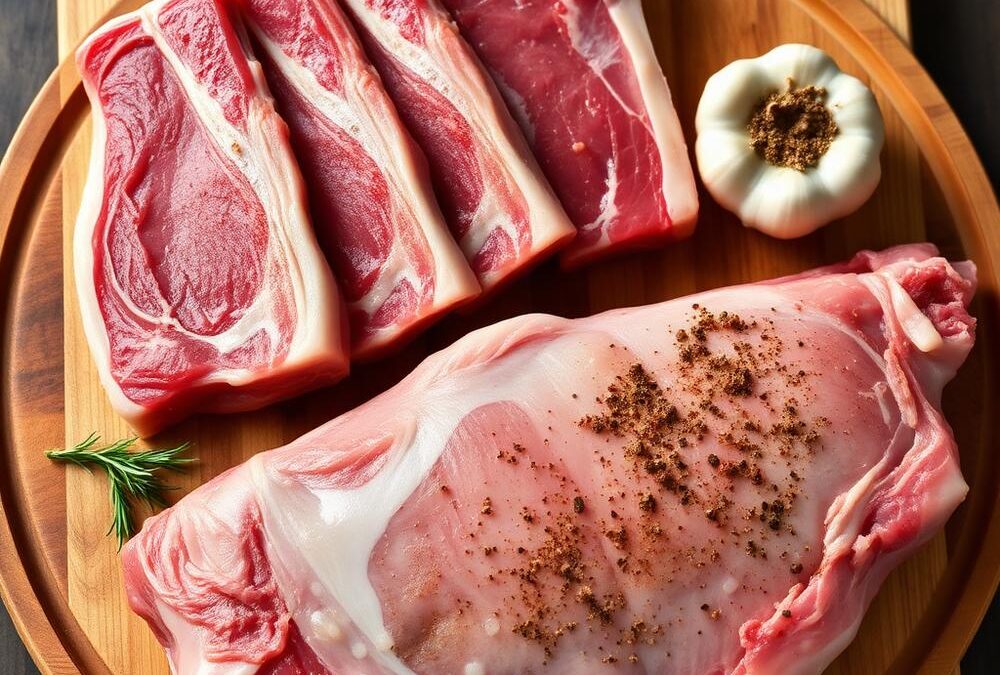
If you have tried Haitian griot before, you already know that simply frying pork is not enough to recreate it at home. The outside may crisp up nicely, but the meat can still miss the citrusy, aromatic, deeply seasoned flavor that makes griot so recognizable.
The challenge is that Haitian griot gets its character before the pork ever touches hot oil. The cut of meat, seasoning blend, sour orange or citrus, aromatics, marinating time, simmering, and final frying step all affect the result. Rush one part of the process and you can end up with pork that is dry, bland inside, overly salty, or crispy without much depth.
That matters because good griot depends on contrast. The pork should be tender and seasoned throughout, while the outside develops browned, crisp edges that hold up next to pikliz, rice, plantains, or other Haitian sides.
Once you understand how the marinating, cooking, and frying stages work together, making Haitian griot at home becomes much more manageable.
What Makes Haitian Griot Different From Regular Fried Pork?
Haitian griot is not just pork that has been seasoned and dropped into oil.
The meat is typically marinated with citrus and aromatics, then cooked until tender before it is fried. That two-stage process is what gives griot its combination of juicy meat and crisp edges.
Traditional flavorings vary from household to household, but common ingredients include garlic, onions or scallions, thyme, citrus juice, peppers, salt, and Haitian epis.
Some versions use sour orange, while others recreate that acidity with combinations of orange and lime juice.
The final frying step is brief compared with the initial cooking stage. The goal is not to cook raw pork entirely in hot oil. It is to crisp, already tender, seasoned pork.

Which Cut of Pork Works Best for Haitian Griot?
Pork shoulder is one of the best choices for griot.
It contains enough fat and connective tissue to stay juicy through marinating, simmering, and frying. It also becomes tender without falling apart too quickly.
Look for boneless pork shoulder or pork butt and cut it into medium-sized cubes.
Pieces that are too small can dry out while frying. Pieces that are too large may cook unevenly and take longer to become tender.
About 1 1/2- to 2-inch chunks usually work well for home cooking.
Try to leave some fat attached to the meat. A completely lean cut will not produce the same texture or richness.
Ingredients for Haitian Griot
For approximately 3 pounds of pork, you can use:
- 3 pounds boneless pork shoulder, cut into chunks
- 1/2 cup sour orange juice, if available
- 1/4 cup lime juice
- 1/4 cup orange juice if sour orange is unavailable
- 4 cloves garlic
- 3 to 4 green onions
- 1 small onion
- 1 small bell pepper
- 2 tablespoons fresh parsley
- 1 to 2 sprigs fresh thyme
- 1 Scotch bonnet or habanero pepper, optional
- 1 teaspoon salt, plus more to taste
- 1/2 teaspoon black pepper
- 1 teaspoon ground cloves or a small amount of whole clove, optional
- 1 to 2 tablespoons oil for the marinade
- Vegetable oil for frying
You can also use prepared Haitian epis if you already have some on hand.
Because epis recipes vary, taste and adjust the salt carefully if your epis already contains seasoning.
How to Make Haitian Epis for the Pork
Epis is a Haitian seasoning base made from fresh herbs, peppers, aromatics, and spices.
For griot, a simple version can be made by blending garlic, green onions, onion, bell pepper, parsley, thyme, a small amount of Scotch bonnet, oil, and a splash of citrus juice.
Blend until you have a thick, spoonable mixture.
The epis does not need to be completely smooth. A little texture is fine.
You can make it ahead and refrigerate it in a covered container until you are ready to season the pork.
Epis is used in many Haitian dishes, so making extra can be useful if you plan to cook rice, beans, chicken, or other savory dishes later.
Marinate the Pork Before Cooking
Place the pork chunks in a large bowl.
Add the epis, sour orange or citrus mixture, salt, black pepper, and any additional seasonings you are using.
Massage the seasoning into the meat so every piece is coated.
Cover the bowl and refrigerate the pork.
A few hours of marinating will add flavor, but overnight is even better if you have time.
The citrus and aromatics season the meat while the pork rests. However, more marinade is not always better. The pork should be coated thoroughly without sitting in an excessive amount of liquid.
Before cooking, let the meat sit at room temperature briefly while you prepare the pot.
Cook the Pork Until Tender Before Frying
This is the step that separates good griot from pork that is crisp outside but tough inside.
Transfer the marinated pork and its seasonings to a heavy pot.
Add a small amount of water if necessary, but do not flood the pot. The pork will release some liquid as it cooks.
Bring everything to a gentle simmer.
Cover the pot and cook over medium-low heat until the pork becomes tender. Depending on the size of the pieces, this may take around 45 minutes to an hour or longer.
Check the pot occasionally and stir carefully.
As the meat cooks, the liquid should gradually reduce and the pork should absorb the seasoning.
The meat is ready for the next step when it is tender enough to bite easily but still firm enough to hold its shape during frying.
Why You Should Let the Pork Dry Slightly Before Frying
Wet pork and hot oil do not mix well.
After the pork finishes simmering, remove the pieces from the cooking liquid and place them on a tray or plate.
Let excess moisture drain away.
You can gently pat the surface with paper towels if necessary, being careful not to strip off all the seasoning.
This step helps the pork crisp more efficiently and reduces splattering when it hits the hot oil.
Do not throw away the reduced cooking liquid immediately. It can contain concentrated seasoning and may be useful for another component of the meal.
How to Fry Haitian Griot
Heat vegetable oil in a heavy pot or deep skillet.
You need enough oil to fry the pork properly, but the pieces do not necessarily have to be completely submerged if you are working in batches and turning them carefully.
Once the oil is hot, add a few pork pieces at a time.
Do not overcrowd the pot. Crowding lowers the oil temperature and can leave the pork greasy instead of crisp.
Fry until the outside is deeply browned and crisp.
Because the pork is already cooked, this step should be relatively quick. You are developing color and texture rather than cooking the center from raw.
Transfer the fried pork to a rack or paper towel-lined plate.
Continue in batches until all the pork is finished.
How Crispy Should Griot Be?
Griot should have noticeable crispness on the outside without becoming hard or dry.
The best pieces usually have irregular browned edges rather than a perfectly uniform crust.
Some fatty sections may become especially crisp, while meatier parts remain softer.
If the pork is coming out tough, the problem may have started before frying. Pork that was not cooked until tender during the simmering stage will not suddenly soften in the fryer.
If it is drying out, you may be frying too long or using pork pieces that are too lean or too small.
Can You Make Haitian Griot Without Deep Frying?
Yes, although the texture will be different.
An air fryer can work well for reheating cooked pork and developing browned edges. Toss or lightly brush the simmered pork with a small amount of oil, then air fry until crisp.
You can also roast or broil the pork in the oven.
Spread the cooked pieces on a baking sheet and place them under high heat until the edges brown.
These methods use less oil, but deep frying generally produces the most traditional contrast between crisp exterior and tender center.
What Is Pikliz and Why Is It Served With Griot?
Pikliz is a spicy Haitian pickled vegetable condiment.
It commonly contains shredded cabbage, carrots, peppers, onion, vinegar, and hot peppers.
Its sharp acidity and heat are especially useful with griot because fried pork is rich and fatty. Pikliz cuts through that richness and keeps the meal from feeling heavy.
The contrast is part of what makes the combination work so well.
You can spoon pikliz directly over the griot or serve it alongside so each person can control the amount.
What to Serve With Haitian Griot
Griot is often served as part of a larger meal rather than by itself.
Popular pairings include:
- Pikliz
- Bannann peze, or twice-fried plantains
- Rice and beans
- Diri kole
- Haitian black rice
- Fried plantains
- Avocado
- Salad
One of the most recognizable combinations is griot with pikliz and fried plantains.
The pork provides richness, the plantains add starch and texture, and the pickled vegetables bring acidity and heat.
Common Mistakes to Avoid When Making Griot
Several small mistakes can change the final result.
Using very lean pork: Griot benefits from some fat, which helps keep the meat tender and flavorful.
Skipping the marinating time: The seasonings need time to flavor the pork beyond the surface.
Adding too much water when simmering: The pork should cook in concentrated seasoning rather than a large pot of diluted liquid.
Frying the pork while it is very wet: Excess moisture causes splattering and makes browning more difficult.
Crowding the fryer: Too many pieces at once can lower the oil temperature.
Frying for too long: Since the pork is already cooked, prolonged frying can dry it out.
Ignoring acidity: Citrus is an important part of the dish’s overall flavor and helps balance the richness of the pork.
Can You Make Griot Ahead of Time?
Yes, and preparing part of the recipe ahead can make serving easier.
You can marinate and simmer the pork in advance, then refrigerate it once cooled.
When you are ready to serve, bring the pork closer to room temperature and fry it until hot and crisp.
This approach is especially useful if you are preparing griot for a gathering.
Leftover fried griot can also be refrigerated and reheated, although it may lose some crispness.
An air fryer or hot oven is usually better for reheating than a microwave if you want to restore some of the exterior texture.
Bringing Haitian Griot to Your Home Kitchen
Making Haitian griot is about building flavor before you focus on crispness. The pork needs time with citrus, epis, herbs, and aromatics, followed by gentle cooking that makes it tender enough for a quick final fry.
Once those stages are handled properly, the contrast comes together naturally: richly seasoned pork on the inside, browned edges on the outside, and enough acidity and spice from the surrounding meal to keep every bite balanced.
If you are planning a Haitian meal, Key Food Lauderhill carries meat, produce, pantry staples, and international grocery categories that can help you gather ingredients for dishes such as griot, rice, beans, fried plantains, and pikliz. Individual items can vary by current inventory, so check the store selection when shopping for specific ingredients.
Frequently Asked Questions About Haitian Griot
What is Haitian griot made from?
Haitian griot is typically made from chunks of pork shoulder that are marinated with citrus, herbs, aromatics, and Haitian seasonings, then cooked until tender and fried until crisp.
What does Haitian griot taste like?
It is savory, citrusy, aromatic, and rich, with crisp browned edges. The exact flavor depends on the epis and seasoning blend used.
What cut of pork should I use for griot?
Pork shoulder or pork butt works especially well because it contains enough fat and connective tissue to stay tender during cooking.
Do you have to boil griot before frying it?
The pork is typically simmered or braised until tender before frying. This allows you to develop a crisp exterior without relying on frying to cook tough raw pork all the way through.
What is epis?
Epis is a Haitian seasoning base commonly made with herbs, garlic, onions, peppers, oil, and other aromatics. Recipes vary by household.
What can I use instead of sour orange?
A combination of fresh orange and lime juice can provide a similar balance of citrus flavor and acidity when sour orange is unavailable.
Is Haitian griot spicy?
The pork itself can be mildly or moderately spicy depending on the amount of hot pepper used. Pikliz served alongside it often adds significantly more heat.
What is traditionally served with griot?
Pikliz and fried plantains are classic accompaniments. Rice and beans, avocado, and salads are also common.
Can I make Haitian griot in an air fryer?
You can simmer the pork until tender, then use an air fryer for the final crisping step instead of deep frying. The texture may differ slightly from traditionally fried griot.
Why is my griot tough?
The pork may not have cooked long enough before frying. Pork shoulder needs sufficient time for its connective tissue to soften.
How do you reheat Haitian griot?
A hot oven or air fryer works well because it can warm the pork while restoring some crispness. Microwaving is convenient but tends to soften the exterior.