

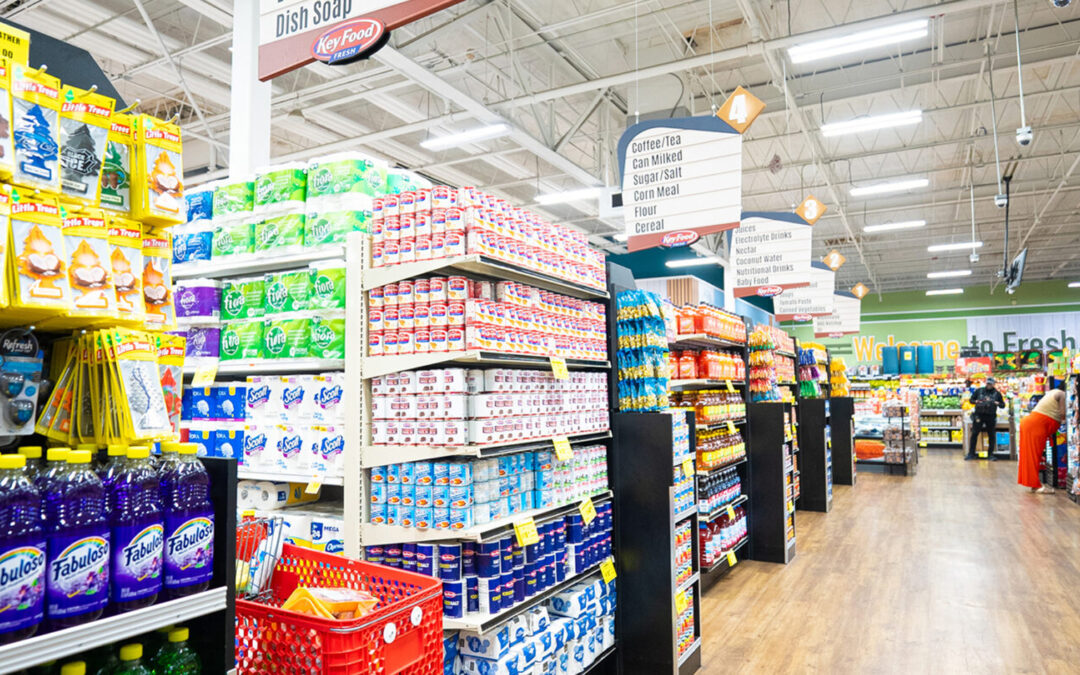
Most people think of a supermarket as a place you stop by when you run out of groceries.
But in Fort Lauderdale, supermarkets do much more than that. They quietly shape how neighborhoods eat, how families budget, how businesses plan their weeks, and how quickly a city can respond to everyday needs like school lunches, working schedules, and weekend gatherings.
When supermarkets in Fort Lauderdale, Florida function well, you see it everywhere. More people cook at home. Households waste less food. Routine shopping is easier. Local businesses have a dependable place to grab supplies. Residents can access basics without having to drive far or pay premium prices.
When supermarkets fall short, the impact is also obvious. People lean harder on takeout. Convenience stores become the “backup plan,” even though they often cost more per item. Families make multiple trips because one store cannot cover the full list. Seniors and time-strapped households feel it the most.
That is why supermarkets are not just part of retail. They are part of the daily food economy. They influence access, affordability, time, and routines in ways people feel every week, even if they never describe it that way.
This blog breaks down the role supermarkets play in Fort Lauderdale’s daily food economy, what “food economy” looks like on the ground, and why neighborhood grocery access matters more than most people think.
What the “daily food economy” really means in Fort Lauderdale
The daily food economy is the flow of food that keeps a city functioning. It is how people consistently get what they need to eat at home, at work, and in community settings.
In Fort Lauderdale, the daily food economy includes:
- Households buying groceries for breakfast, lunch, and dinner
- Families stocking up on kid-friendly snacks and school lunch items
- Working professionals grabbing quick dinner ingredients after long days
- Seniors shopping for essentials that support independence
- Offices picking up meeting supplies or lunch basics
- Communities preparing for holidays, weekends, and gatherings
- People dealing with last-minute needs that cannot wait
Supermarkets sit at the center of this because they are designed to handle routine demand at scale. A food store in Fort Lauderdale can be anything, but supermarkets are often the main place where people can complete a full grocery run in one stop.
Why supermarkets are the “routine infrastructure” of neighborhoods
A good supermarket becomes part of a neighborhood’s routine in the same way a pharmacy, school, or local clinic does. People plan around it.
That shows up in practical ways:
- Parents doing weekly shopping after school pickup
- Residents buying fresh produce because they trust it will last
- Households planning meals because they know staples will be in stock
- People grabbing last-minute dinner items without defaulting to delivery
- Neighbors shopping locally rather than driving across town
Among grocery stores in Fort Lauderdale, Florida, the ones that feel dependable become “routine infrastructure.” People do not think about them until something goes wrong, like shelves being inconsistent, produce not holding up, or the trip taking longer than it should.
The link between supermarkets and household affordability
Fort Lauderdale shoppers feel price pressure like everyone else. That is why supermarkets matter for affordability.
A supermarket typically influences household budgets in two main ways:
Staple pricing that sets the baseline
Households buy certain items every week no matter what:
- Eggs, milk, bread
- Rice, pasta, canned goods
- Produce staples
- Proteins and pantry basics
When supermarkets keep those categories stable and accessible, it helps families budget without constant surprises.
Reducing hidden costs from inefficiency
Even when two stores have similar prices, one may end up costing more if it leads to:
- Wasted food due to poor freshness
- Extra trips because items are missing
- More takeout because grocery planning fails
- Impulse spending from shopping in multiple places
This is where the daily food economy becomes real. It is not only what items cost. It is how reliably people can buy food that becomes meals.
How supermarkets influence what people actually eat
Food access shapes food choices.
When supermarkets in Fort Lauderdale, Florida make it easy to buy fresh, practical ingredients, households cook more often. Not because they suddenly become “meal prep people,” but because dinner feels possible.
The opposite is also true.
When grocery access is inconvenient, inconsistent, or incomplete, people shift toward:
- Fast food and delivery
- Convenience store purchases
- Boxed snacks and ready-to-eat items that are not meal-building
- Random ingredients that do not turn into dinner
This is not about willpower. It is about friction. Supermarkets reduce friction by giving people a place where the basics are consistently available.
Why time matters just as much as food
Time is one of the biggest “currencies” in Fort Lauderdale’s daily life.
People are balancing work, commuting, family responsibilities, and personal commitments. A supermarket plays a major role in how much time people lose or save each week.
A supermarket supports a healthy daily food economy when it helps shoppers:
- Find essentials quickly
- Shop in a logical flow without hunting for basics
- Check out without long delays
- Complete a full trip in one stop
A strong supermarket experience protects time. That matters because time is often what drives households toward delivery meals.
Supermarkets support working life and small local business routines
The daily food economy is not only about households.
Local offices and businesses often rely on supermarkets for:
- Meeting snacks and drinks
- Coffee supplies, cups, napkins, and basic pantry items
- Quick lunch solutions for teams
- Last-minute supplies for events
A food store in Fort Lauderdale that is complete and dependable supports business routines too, especially for small teams that do not have time to plan around multiple stores.
The role supermarkets play in community stability
A supermarket supports a neighborhood during normal weeks, but it becomes even more important during high-demand periods.
This includes:
- Hurricane season preparation
- School season transitions
- Holiday hosting and weekend gatherings
- Supply disruptions that push people to stock up
In those moments, households depend on supermarkets for essentials quickly. The store’s ability to stay stocked, organized, and functional directly impacts how calm or chaotic the community feels.
That is why the supermarket’s role is bigger than retail. It supports local resilience.
What shoppers expect from grocery stores in Fort Lauderdale, Florida today
The definition of a “good supermarket” has changed. Shoppers are more practical now.
They expect:
Freshness that holds up at home
Produce and proteins that stay usable for multiple days. Not items that look fine in-store but fail at home.
Meal-building support
Not everyone wants to cook from scratch every night. Shoppers expect salad kits, ready-to-cook options, freezer staples, and quick ingredients that help weeknights run smoother.
Clear value and reliable staples
People want pricing that feels fair on weekly basics and a store that consistently carries what they need.
Cleanliness and comfort
A supermarket should feel well-maintained and easy to shop, not stressful.
A store that supports real routines
Families, working professionals, seniors, and single households all shop differently. A strong supermarket supports a wide range of needs without making anyone feel like an afterthought.
How Key Food Lauderhill supports Fort Lauderdale-area food routines
Key Food Lauderhill serves Fort Lauderdale-area shoppers who want grocery shopping to feel straightforward, consistent, and supportive of real life.
In a daily food economy, a supermarket earns trust by helping people do three things well:
- Keep their household stocked without extra trips
- Build real meals without relying on takeout
- Buy groceries that hold up at home so the week runs smoother
That is what makes a store more than a place to buy groceries. It becomes part of how the neighborhood eats and functions.
Shop where your routine stays easier all week
If grocery shopping keeps turning into extra stops, wasted produce, or last-minute takeout because dinner feels too hard, choose a supermarket that supports real weekly life. Visit Key Food Lauderhill for fresh essentials, practical meal options, and a Fort Lauderdale-area grocery run that fits your routine.
FAQs: Supermarkets and Fort Lauderdale’s Daily Food Economy
What does “daily food economy” mean for Fort Lauderdale?
It refers to the everyday flow of food access and purchasing that supports households, workers, businesses, and neighborhoods through routine shopping, meal planning, and last-minute needs.
Why do supermarkets in Fort Lauderdale, Florida matter more than convenience stores?
Supermarkets typically provide broader selection, fresh food access, and meal-building ingredients at better value, which supports weekly routines and affordability.
How do grocery stores in Fort Lauderdale, Florida affect household budgets?
They influence pricing on staples, reduce the need for multiple shopping trips, and help prevent waste from poor freshness, which impacts overall weekly spending.
How do supermarkets influence what people eat at home?
When supermarkets make fresh food and meal ingredients accessible and convenient, people cook more often and rely less on delivery meals.
Why is time a factor in the local food economy?
Busy schedules push households toward takeout when grocery runs feel inefficient. Supermarkets that support fast, complete shopping help people protect time.
How do supermarkets support local businesses?
They provide quick access to supplies for offices and small teams, such as snacks, drinks, pantry items, and last-minute meeting needs.
Why do supermarkets matter during hurricane season and peak demand periods?
They help neighborhoods access essentials quickly. Stocking reliability and store organization affect how stable and prepared the community feels.
What makes a supermarket “dependable” for weekly routines?
Consistent stocking, fresh food quality that holds up, clear value on staples, efficient checkout, and meal-building options that support busy households.