

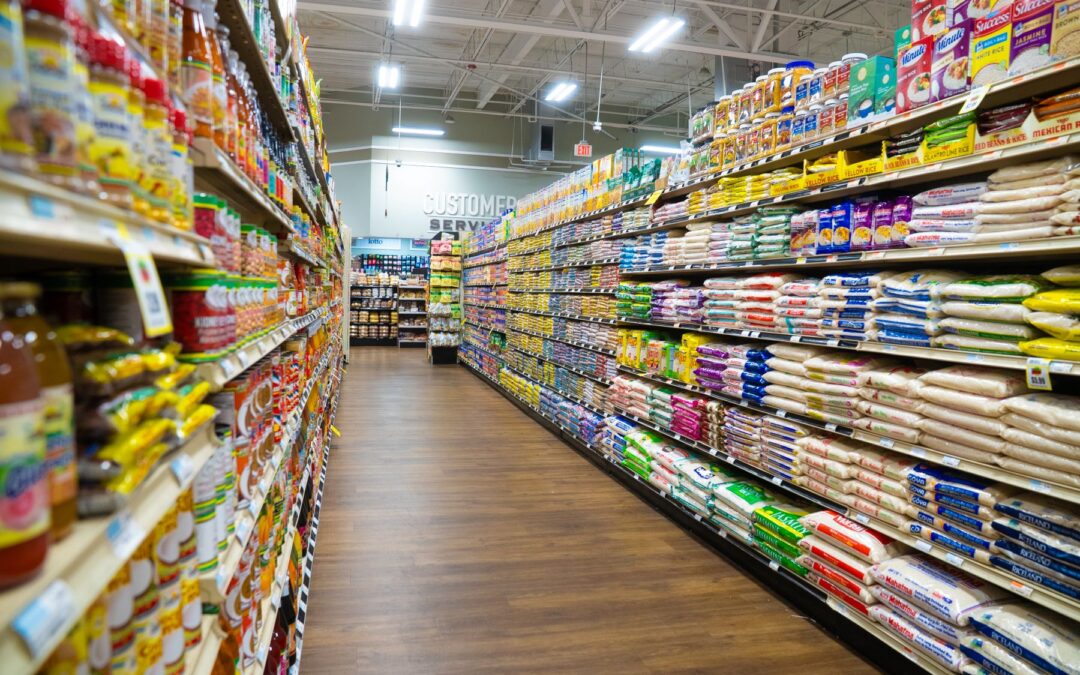
Sunrise used to be the place people drove through on the way to somewhere else. Now it is a city people live in, raise families in, commute from, and build routines around. And when routines grow, one business type grows right alongside them: neighborhood supermarkets.
That is why “supermarket Sunrise” is not just a search term anymore. It is a reflection of what the city has become: a busy, residential, highly connected Broward community where grocery shopping needs to be close, fast, and built for real households.
Sunrise has been growing in recent years, with multiple data sources showing its population around the 100K mark in the mid-2020s. And across the U.S., the Census Bureau notes cities have generally been growing recently as well, which sets the broader context for why local retail and essentials expand when more people settle into city neighborhoods.
So how did Sunrise become a hub for neighborhood supermarkets, and why does it continue to support more “close-to-home” grocery options?
Let’s break it down.
Sunrise’s growth created a simple need: easier everyday shopping
When a city grows, daily errands multiply.
More households means more weekly trips for essentials: produce, meat, school snacks, coffee, pantry staples, quick dinners, and the “we ran out again” items that always show up at the worst time.
Sunrise’s population being around 100K in recent estimates helps explain why sunrise groceries have become more neighborhood-driven. People do not want grocery shopping to be a “big trip” every time. They want it to be a practical stop that fits into normal life.
That shift makes smaller, accessible, well-stocked supermarkets more valuable than ever.
The city’s retail identity made grocery expansion easier
Sunrise has something many residential cities do not: a long-standing retail pull that already brings traffic and supports commercial corridors.
A major example is Sawgrass Mills, which positions itself as an internationally known shopping and dining destination. Even if you are not going to the mall to buy groceries, a large retail ecosystem tends to create:
- Stronger road access and traffic patterns
- More commercial real estate options
- Steady foot traffic in surrounding areas
- A “shopping habit” culture in the city
When a city already functions as a retail destination, it is easier for everyday retail like supermarkets to thrive alongside it.
Neighborhood supermarkets win when people’s schedules get tighter
A growing Sunrise is also a busier Sunrise.
Households are balancing work, school, appointments, commutes, and family responsibilities. Grocery stores that fit into that reality do better than the ones that require a long drive or a weekend-only stock-up plan.
This is where “sunrise grocery store near me” becomes a daily search habit, not an occasional one.
Neighborhood supermarkets work because they support:
- Quick dinner runs
- Small restocks (milk, bread, eggs, fruit)
- Grab-and-go needs
- Last-minute hosting supplies
- Repeat weekly staples without the time drain
The convenience factor becomes the differentiator.
Multicultural demand shapes what “a good supermarket” looks like in Sunrise
Broward County is diverse, and Sunrise sits right in the middle of that regional mix. That means “standard grocery selection” does not cover what households actually cook with.
Neighborhood supermarkets grow faster in diverse areas because households want:
- Familiar staples for cultural cooking
- More international pantry basics
- Multiple brands and price tiers
- Fresh departments that match how people actually eat
When a store gets that right, it becomes a weekly default, not just a place you visit when you are nearby.
New housing and infill development increases grocery demand in specific corridors
Grocery demand does not rise evenly across a city. It concentrates where new housing, apartments, and mixed-use growth push daily population density upward.
For example, local development reporting has discussed proposed multifamily projects in Sunrise, including a proposal for hundreds of apartments on Sunrise Boulevard. More housing density typically increases demand for nearby essentials, because people want to shop close to where they live.
Even if a household could drive farther, most will choose “closest good option” when they are shopping several times a week.
That pattern makes neighborhood supermarkets more viable and more competitive.
Grocery competition increases quality and variety
When more supermarkets serve an area, the result is usually better for shoppers.
More competition often leads to:
- Better promotions and pricing pressure
- Improved fresh departments to keep customers loyal
- Expanded product variety (including international items)
- More prepared food options for convenience shoppers
- Upgraded store experiences
It is also why the “hub” effect builds on itself. Once an area has multiple strong grocery options, it becomes known as a place where grocery shopping is easy—and more retailers feel confident entering the market.
Sunrise’s location supports “local shopping” without feeling isolated
Sunrise is close to multiple Broward communities and major corridors, which gives it a broader customer base than a more isolated suburb.
That matters because supermarkets do not only rely on the people living directly next door. They rely on patterns like:
- Commuters stopping on the way home
- Parents shopping near schools and activities
- Nearby residents crossing city lines for better selection
- Shoppers bundling grocery runs with other errands
In practical terms, a supermarket in Sunrise can serve both neighborhood shoppers and “passing through” shoppers who still want a reliable stop.
A real example: Key Food Fresh Supermarket in Sunrise
If you want a concrete example of how neighborhood supermarkets show up in Sunrise, Key Food Fresh Supermarket operates at 15860 W SR-84, Sunrise, FL 33326, with a published phone number as well.
Stores like this reflect the exact reasons Sunrise supports neighborhood supermarkets:
- They serve daily needs (not just big stock-ups)
- They support local households shopping frequently
- They fit into commuter and errand routes
- They can carry a mix of staples and multicultural items depending on the customer base
That is the “hub” pattern in real life.
What this means for shoppers: Sunrise groceries will keep expanding
Sunrise’s growth and retail infrastructure make it a natural place for neighborhood supermarkets to thrive.
As long as:
- Population stays strong in the region
- Housing continues to add density in key areas
- Shopping corridors remain active (like the Sawgrass Mills ecosystem)
…you can expect supermarket Sunrise options to stay competitive, well-stocked, and increasingly tailored to how local households actually live.
Make grocery runs easier with a neighborhood supermarket in Sunrise
If you are tired of turning grocery shopping into a full outing, keep it simple. Choose a sunrise supermarket option that fits your daily routine, not just your weekend schedule.
For a practical local stop, visit Key Food Fresh Supermarket in Sunrise (15860 W SR-84) for everyday staples, fresh departments, and the kind of convenience that makes weekly life easier.
FAQs
1) Why are there more neighborhood supermarkets in Sunrise now?
Sunrise has grown to around the 100K population level in recent estimates, and more households create more frequent daily grocery demand.
2) What does “supermarket Sunrise” usually mean for shoppers?
It typically refers to grocery options that are close to home, easy for frequent shopping trips, and built around daily essentials instead of only bulk stock-ups.
3) Why does retail matter for grocery growth in Sunrise?
Sunrise has long been a retail destination, including the Sawgrass Mills shopping ecosystem, which supports commercial traffic and makes grocery retail easier to sustain nearby.
4) Does new housing affect grocery store growth?
Yes. More apartments and residential density usually increases demand for nearby essentials and makes neighborhood supermarkets more viable in those corridors.
5) What should I look for in a good sunrise supermarket?
Consistent staples, strong produce and meat/seafood options, clear pricing, and a product mix that matches how your household actually cooks and shops.
6) Why do people search “sunrise grocery store near me” so often?
Because grocery shopping has shifted toward frequent smaller trips—dinner runs, school snacks, quick restocks, so proximity and convenience matter more than ever.
7) Is there a Key Food location in Sunrise?
Yes. Key Food Fresh Supermarket lists a Sunrise location at 15860 W SR-84, Sunrise, FL 33326.
8) Will Sunrise keep attracting more grocery options?
If population and housing growth continue and the city maintains its retail corridors, it remains a strong market for neighborhood supermarkets.