
When seafood is good in Fort Lauderdale, it is not luck. It is logistics.
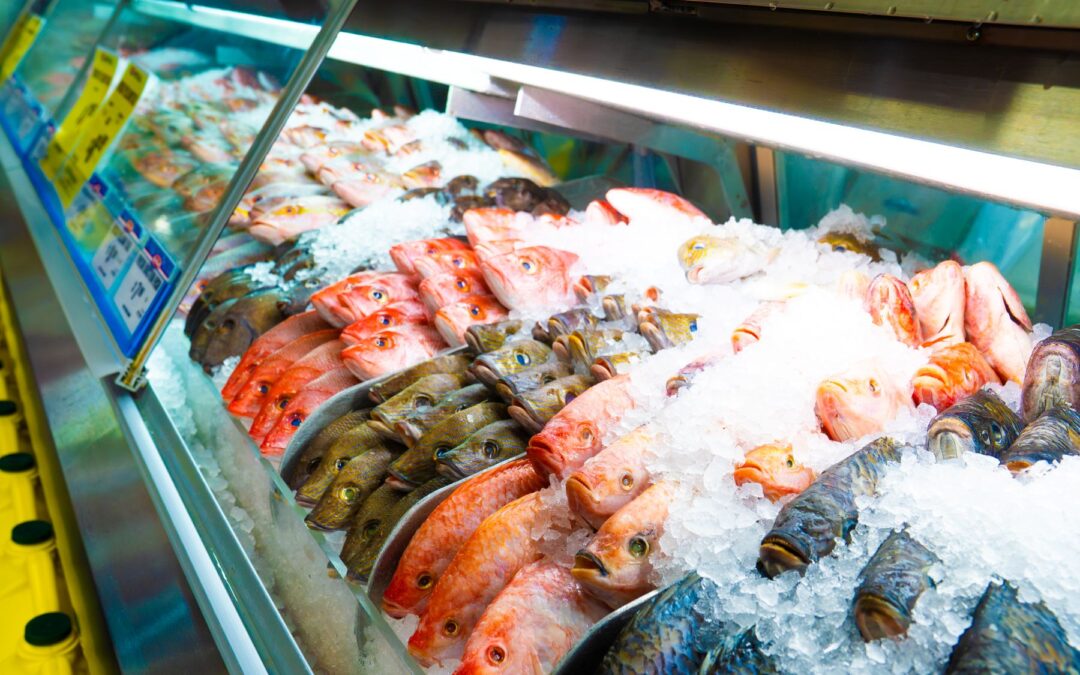
Restaurants can run a “catch of the day” special because someone upstream kept the cold chain tight. Home cooks can plan a grilled fish dinner because fresh product shows up consistently. And a Fort Lauderdale fresh fish market can offer variety because the seafood supply keeps moving, not sitting.
This is what people really mean when they say fresh fish Fort Lauderdale is easy to find. The area has the right mix of coastal demand, experienced seafood businesses, and supply chain infrastructure that helps seafood move fast from source to plate.
Here is how that system works, and why it supports both local restaurants and everyday households looking for fresh seafood Fort Lauderdale style meals.
1) Seafood starts with local landings, and Florida tracks the commercial flow
A big part of “fresh” is knowing where fish came from and how it entered the market.
In Florida, commercial seafood sales from Florida waters have reporting requirements. The Florida Fish and Wildlife Conservation Commission (FWC) explains that sales of seafood products from Florida waters must be reported on a Marine Fisheries Trip Ticket at the time of sale, under Florida law and administrative code.
Why this matters in real life:
- It creates structure for commercial seafood movement in the state
- It supports traceability and accountability between harvesters and dealers
- It helps the market operate with clearer documentation, not just “trust me”
Restaurants and seafood markets care about this because consistent documentation supports consistent buying.
2) Dealers and markets are the bridge between the water and your dinner
Most restaurants are not buying directly off a boat every morning. Most households are not either.
So the system depends on the middle layer: wholesale and retail dealers, seafood markets, distributors, and buyers who understand how to store, handle, and move product quickly. FWC outlines dealer reporting and the trip ticket system as part of Florida’s commercial fisheries data collection and requirements.
That middle layer is what allows:
- Frequent deliveries and restocks
- Consistent availability of popular species
- Quality control before product hits a menu or a display case
- Pricing that stays more stable because supply is managed, not random
When this layer is strong, seafood becomes dependable. That is what keeps seafood on menus and in home meal plans year-round.
3) Cold chain discipline is the difference between “available” and “actually fresh”
People often assume fresh fish is only about how recently it was caught.
It is also about what happened after.
Freshness depends on temperature control from the moment seafood is harvested and packed through transport, storage, display, and prep. That is why a strong seafood city usually has a strong cold chain culture. Businesses build processes around moving product quickly and holding it correctly.
Port infrastructure supports this kind of movement. Port Everglades publishes trade and statistics information as part of its operations reporting, and USDA documentation on Port Everglades notes that a large share of agricultural imports moving through the port require refrigeration.
Even though that USDA report is about agricultural perishables, it highlights the bigger point: this region is built around moving refrigerated goods. That kind of infrastructure supports the wider cold chain environment that benefits food supply chains in general.
4) Fort Lauderdale demand creates faster turnover, which supports freshness
The quiet advantage Fort Lauderdale has is demand.
Restaurants, tourists, waterfront dining, and local seafood culture mean seafood moves. When product moves quickly, it spends less time waiting around. That usually supports better selection and better quality, because suppliers can justify frequent replenishment.
This is one reason fresh seafood Fort Lauderdale stays so visible across:
- Restaurant menus
- Seafood markets
- Grocery seafood departments
- Weekend cooking plans for households
It is not just “more seafood options.” It is a supply chain that expects seafood to sell, so it is stocked with confidence.
5) Restaurants rely on predictability, not just quality
Restaurants need seafood that shows up on time, meets spec, and is consistent enough to serve repeatedly.
That means they care about things like:
- Portion sizes and fillet consistency
- Availability week to week
- Delivery timing and storage conditions
- Documentation for certain products or purchasing programs
- Stable relationships with markets and suppliers
Many restaurants also need flexibility. If a certain species is limited one week, they need a fast alternative that still fits their menu style. That is where strong local seafood businesses and a healthy seafood supply network matter.
6) Home cooks benefit from the same system, just in a different way
Most households are not asking for a 20-pound case of snapper.
But households do benefit from the same upstream strength because it shows up as:
- Better variety at the counter
- More consistent restocks
- Fewer “it’s gone again” moments
- Better chances of finding the cut you want for your cooking style
- More confidence that seafood night is worth the money
A good Fort Lauderdale fresh fish market or well-run seafood department supports home cooks by making seafood feel like a realistic weeknight choice, not a special occasion gamble.
7) Traceability expectations are rising across the seafood industry
Even when customers do not ask for paperwork, traceability is increasingly part of how seafood is managed.
At the federal level, NOAA Fisheries has multiple programs and reporting structures, including dealer reporting requirements in certain regions and species programs, and national traceability initiatives tied to monitoring and reporting.
This matters because:
- It pushes more consistent reporting and recordkeeping
- It supports accountability across the supply chain
- It encourages buyers and dealers to treat seafood like a controlled product, not an informal commodity
For restaurants and markets, stronger traceability expectations often reinforce what the best operators already do: keep documentation tight and handling disciplined.
8) The “fresh fish market” role is also education, not only selling
A strong seafood market does not just offer fish. It helps customers buy the right fish for how they cook.
That includes:
- Recommending best methods for a specific cut
- Helping customers choose between similar species
- Explaining storage timelines so less food goes to waste
- Suggesting seasoning profiles that match local tastes
For example, some Fort Lauderdale seafood markets describe themselves as full-service seafood markets specializing in fresh fish and shellfish, which reflects the type of market role many locals rely on.
This is part of why seafood cities feel different. Buying fish feels easier because knowledge is closer to the customer.
Make fresh fish dinners easier near Fort Lauderdale
If you love fresh fish Fort Lauderdale meals but want an easy, practical stop for seafood plus the sides that complete the plate, shop Key Food Lauderhill near Fort Lauderdale. Pick up fish or shrimp, then grab everything you need in one trip: citrus, herbs, rice, salad ingredients, seasonings, and quick sides. Seafood night should feel simple, not like a multi-store mission.
FAQs
1) Why is fresh fish Fort Lauderdale often better than inland options?
Coastal demand and local seafood businesses support faster turnover and more frequent restocking, which helps product stay fresher and more varied.
2) What is a Fort Lauderdale fresh fish market usually sourcing from?
Many markets source through a mix of local and regional supply chains, including Florida commercial fisheries channels and dealer networks. Florida’s trip ticket system documents commercial seafood sales from Florida waters.
3) What is a Marine Fisheries Trip Ticket and why does it matter?
FWC explains that sales of seafood products from Florida waters must be reported on a Marine Fisheries Trip Ticket at the time of sale, under Florida law and administrative code.
4) How does Port Everglades relate to the region’s food supply chain?
Port Everglades publishes trade and statistics, and USDA reporting shows the port handles high volumes of refrigerated perishables for imports, reflecting the region’s cold chain logistics environment.
5) What does “seafood supply” mean for restaurants?
It means consistent availability, predictable delivery, proper handling, and suppliers who can meet spec so menus can stay stable even when seasonal shifts happen.
6) How do I shop smarter for fresh seafood Fort Lauderdale style meals?
Start with how you plan to cook (grill, pan-sear, bake, stew), then buy the cut that fits. Keep the timeline tight and keep seafood cold immediately.
7) Are traceability requirements changing in seafood?
NOAA Fisheries has dealer reporting requirements and traceability initiatives that reinforce reporting and recordkeeping for seafood movement in certain programs and contexts.