
In Fort Lauderdale, seafood is not a “once in a while” thing. It is weekend meals, family recipes, and something you expect to actually taste fresh.
The problem is simple and annoying. You pick what looks fine at the counter. You pay good money. Then you get home, open the bag, and something feels off. A stronger smell than you expected. A slimy surface. Flesh that falls apart in the pan.
At that point, you are stuck. You either risk cooking it and hope nobody gets sick, or you throw it away and watch your money go in the trash.
If you have had that experience even once, you already know why a real seafood buyer’s guide matters. This is not about becoming an expert chef. It is about knowing what to look for, what to avoid, and where to shop so that “fresh fish Fort Lauderdale” is more than just a phrase on a sign.
Why Buying Fish Feels Riskier Than The Rest Of Your Groceries
Fish spoils faster than most foods in your cart. It reacts quickly to warm temperatures and careless handling. You cannot always see the problem at first glance. That is why so many people feel nervous around the seafood section.
A few things make fish feel like a gamble:
- By the time a bad smell shows up, bacterial growth has already started.
- Texture changes quietly. Flesh can soften and lose structure even if it still looks fine in the package.
- Some stores treat seafood as an afterthought instead of a section that needs real attention.
When you are searching for fresh fish Fort Lauderdale shoppers can trust, you are really looking for two things at once. You want fish that started out fresh and a store that protected that freshness from delivery to checkout.
The Non Negotiables Of Truly Fresh Fish
You do not need special training to read fish quality. You just need to slow down at the counter and use your senses.
When you are at a Fort Lauderdale fresh fish market or at the seafood counter inside a supermarket like Key Food Lauderhill, check four basic things.
1. Smell
This is the first test and the most important.
- Fresh fish should smell clean and mild. Sometimes it smells like the ocean or almost like nothing.
- If you notice a sour, sharp, or ammonia like smell, walk away. That is one of the clearest signs of spoilage or poor storage.
2. Appearance
Look closely, not just at the display as a whole.
- Fillets should look moist, not dried out or dull.
- Whole fish should have clear, bright eyes and shiny skin.
- Avoid fish with grey or brown edges, dry patches, or discoloured spots.
3. Texture
If the store allows, a gentle touch tells you a lot.
- Flesh should feel firm and bounce back when pressed lightly.
- If it leaves a dent or feels mushy, it has already started to break down.
4. Temperature
You should not see fish sitting warm on a plate.
- At any Fort Lauderdale fresh fish market, fish belongs on proper ice or in cold cases.
- Displays should look cold and well maintained, not half melted or messy.
If all four areas look and feel right, you are much closer to bringing home fresh seafood Fort Lauderdale families can eat with confidence.
How Fresh Fish Goes Wrong Before You Cook It
Sometimes the problem is not the fish itself, but everything that happens around it. Even good seafood can turn risky when the chain is broken.
Common ways fish quality drops:
Temperature breaks during transport or storage
If fish warms up even for a short period, bacteria multiply quickly. By the time it reaches the counter, the damage may have already begun, even if it still looks acceptable.
Slow rotation at the display
When seafood sits too long, even on ice, quality slips. Older fillets can end up mixed with newer ones. If the store is not careful about rotation, you may unknowingly choose the wrong piece.
Buying without a plan
If you buy fish “for later in the week” and forget about it, you increase the risk. Fresh fish is not meant to sit for days in a home fridge.
To protect yourself, match your habits to the product. When you buy fresh fish Fort Lauderdale style, plan to cook it that day or the next. Anything longer than that should usually be frozen instead.
Fresh Seafood Is More Than Just Fish
Many shoppers focus only on fillets and whole fish, but fresh seafood Fort Lauderdale families enjoy also includes shrimp, crab, shellfish, and prepared seafood items. These can be even more sensitive.
Basic checks still apply:
- Shrimp should be firm, not mushy or slippery.
- Shellfish should smell clean, not sour.
- Any prepared raw seafood should be cold, tightly wrapped, and recently stocked.
When you visit a Fort Lauderdale fresh fish market or the seafood section at Key Food Lauderhill, treat shellfish and other seafood with the same attention you give to fish. The same rules about smell, texture, and temperature apply.
Using A Fort Lauderdale Fresh Fish Market Without Feeling Overwhelmed
Walking into a busy counter or seafood store can feel intimidating. There are many varieties, different cuts, and staff moving quickly. It does not have to be stressful.
Here is how people use local seafood stores and stay in control:
- They go with one or two recipes in mind instead of trying to decide everything at the counter.
- They ask simple questions like “What is freshest today” or “Which fish is best for baking or grilling”.
- They do not feel pressured to pick the most expensive species. The right cut of a moderate priced fish, stored properly, is often better than a neglected premium option.
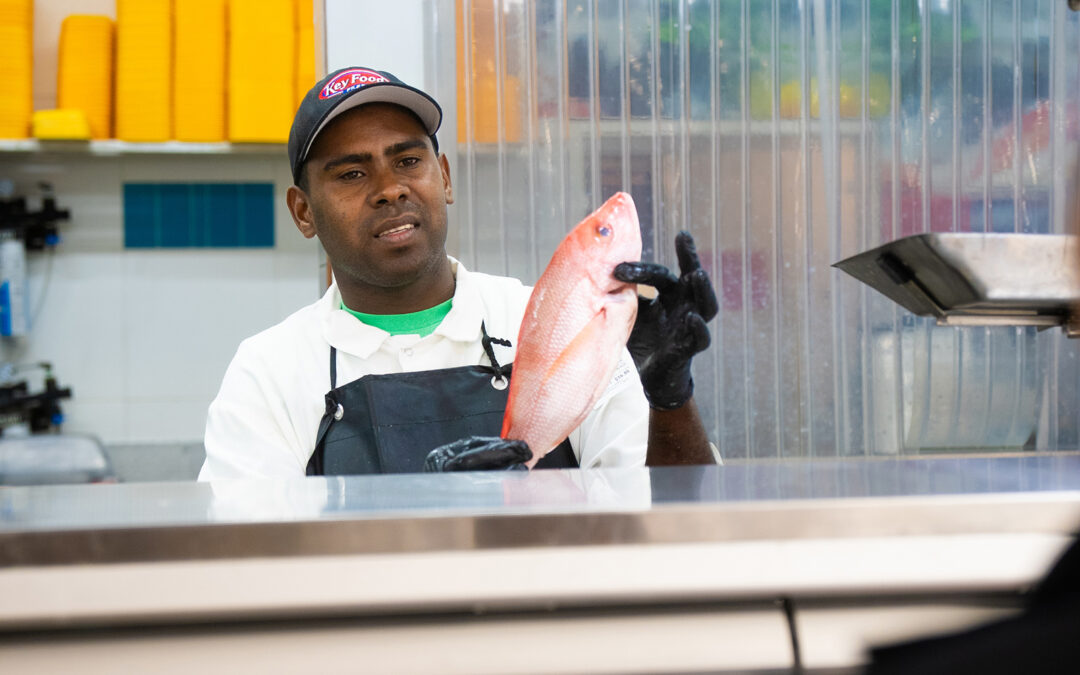
Key Food Lauderhill has a seafood section that works like a Fort Lauderdale fresh fish market inside a full supermarket. You can ask for guidance, choose your fish, then pick up everything else you need for the meal in the same trip.
A Simple Seafood Buyers Guide For Fort Lauderdale Shoppers
Think of this as a quick mental checklist. When you are about to spend money on fish or seafood, run through these points.
When you shop for fresh fish Fort Lauderdale style, you want:
- A store that smells clean at the seafood section, not like old fish.
- Fish on proper ice or in cold cases, never sitting warm.
- Fillets and whole fish that look moist, bright, and firm.
- Shellfish that smells mild and feels fresh, not slimy.
- Staff who can answer basic questions and are willing to show you items up close.
- A plan to cook the fish within one day, or a decision to freeze part of it as soon as you get home.
This is what a real seafood buyers guide comes down to. You are not trying to impress anyone. You are trying to protect your household from bad seafood and wasted money.
Why Many Fort Lauderdale Shoppers Use Key Food Lauderhill For Fresh Fish
Even though Key Food Lauderhill sits outside Fort Lauderdale, many households treat it as one of their main stops for fresh seafood Fort Lauderdale style meals.
Here is why it works:
- The seafood section functions like a Fort Lauderdale fresh fish market, inside a store where you can also pick up produce, rice, oil, and seasonings.
- Fish and seafood are stored cold, handled with care, and rotated so you are less likely to bring home something that spoils after one day.
- You can get advice on which fish fits your recipe, whether you plan to fry, bake, stew, or grill.
- The rest of the store supports the meal. You do not have to visit separate places for sides, sauces, and everyday groceries.
For busy families, that combination matters more than a fancy display. It means fewer guesses, fewer wasted purchases, and more seafood that actually gets cooked and enjoyed.
Turn Your Next Seafood Trip Into A Safer Habit
Buying fish does not have to feel like a risk every time. You do not need to memorise dozens of species or become a professional chef. You only need:
- A clear idea of what fresh should look, feel, and smell like
- A store or seafood counter you trust
- A simple habit of cooking fresh fish soon after you buy it
If you want your next seafood meal to feel less stressful and more enjoyable, start there.
On your next trip, slow down at the counter. Use this guide as a quiet checklist. Notice how the fish looks, how the area smells, and how staff respond when you ask questions.
Then try shopping the seafood section at Key Food Lauderhill with the same attention. Choose your fish, grab the ingredients you need around the store, and cook it while it is still at its best.
That is how fresh fish Fort Lauderdale shoppers are really looking for turns into a normal part of your week, not a guess every time you stand in front of the ice.
FAQs: Buying Fresh Fish in Fort Lauderdale
How do I know if I’m really getting fresh fish in Fort Lauderdale?
When you shop for fresh fish Fort Lauderdale style, start with your senses. The fish should smell clean and mild (never sour or sharp), the flesh should look moist and firm, and it should be stored on proper ice or in a cold case. If there is a strong odour, dull colour, or mushy texture, it is better to choose something else.
What should I look for in a Fort Lauderdale fresh fish market or seafood counter?
A good Fort Lauderdale fresh fish market or supermarket counter will feel cold, clean, and organised. Fish and shellfish should be displayed on ice, not sitting in pooled liquid, and staff should be willing to answer basic questions about what is freshest that day. If the seafood section smells unpleasant or looks neglected, that is a red flag.
Is fresh always better than frozen when it comes to seafood in Fort Lauderdale?
Not always. Fresh seafood Fort Lauderdale shoppers buy is ideal when you plan to cook it the same day or the next, but high quality frozen fish can be a smart backup when you need flexibility. The key is how both fresh and frozen options are handled before you take them home, not just the label.
How soon should I cook fish after buying it?
For most fresh fish Fort Lauderdale shoppers bring home, it is safest to cook it within one day, two at most if it was very fresh to begin with and kept cold the whole time. If you know you will not use it quickly, freeze part of your purchase as soon as you get home instead of letting it sit in the fridge for several days.
What are warning signs that fish or seafood may not be safe to eat?
Strong, sour, or ammonia like smells, slimy texture, or flesh that falls apart easily are all warning signs. A proper seafood buyers guide will always tell you: if the smell or look makes you hesitate, do not cook it. It is better to walk away at the store than to risk foodborne illness at home.
Can I trust supermarket seafood, or should I only buy from a dedicated fish market?
You can get excellent fresh seafood Fort Lauderdale options from both, as long as the store treats seafood properly. Supermarkets like Key Food Lauderhill operate as a Fort Lauderdale fresh fish market inside a full grocery store, keeping deliveries cold, rotating stock, and maintaining clean counters so you can shop with more confidence.
What questions should I ask at the counter when buying fresh fish in Fort Lauderdale?
Simple questions are enough: “What came in most recently?”, “Which fish is best for grilling or baking?”, or “What would you cook today if you were choosing?” Staff at a good Fort Lauderdale fresh fish market or seafood counter should be able to guide you without making you feel rushed or embarrassed.
How can I avoid wasting money on fish that spoils before I use it?
Plan your meals around your purchase instead of buying fish “for someday.” When you follow a seafood buyers guide, you only buy what you can cook within a short window or freeze the same day. That way, fresh fish Fort Lauderdale shoppers pay for actually turns into meals, not trash.
Is there a simple checklist I can use when choosing fresh seafood in Fort Lauderdale?
Yes. Look for clean smell, bright appearance, firm texture, and proper cold storage. If a store like Key Food Lauderhill consistently meets those points, it becomes your reliable spot for fresh seafood Fort Lauderdale meals, because you are not guessing every time you stand at the counter.
Why do many seafood shoppers in Fort Lauderdale choose Key Food Lauderhill?
Many locals use Key Food Lauderhill as a convenient place to buy fresh fish Fort Lauderdale families enjoy because they can get quality seafood and all their other groceries in the same trip. The seafood section functions like a Fort Lauderdale fresh fish market, with attention to temperature, cleanliness, and rotation, which makes it easier to bring home fish you feel safe cooking and serving.